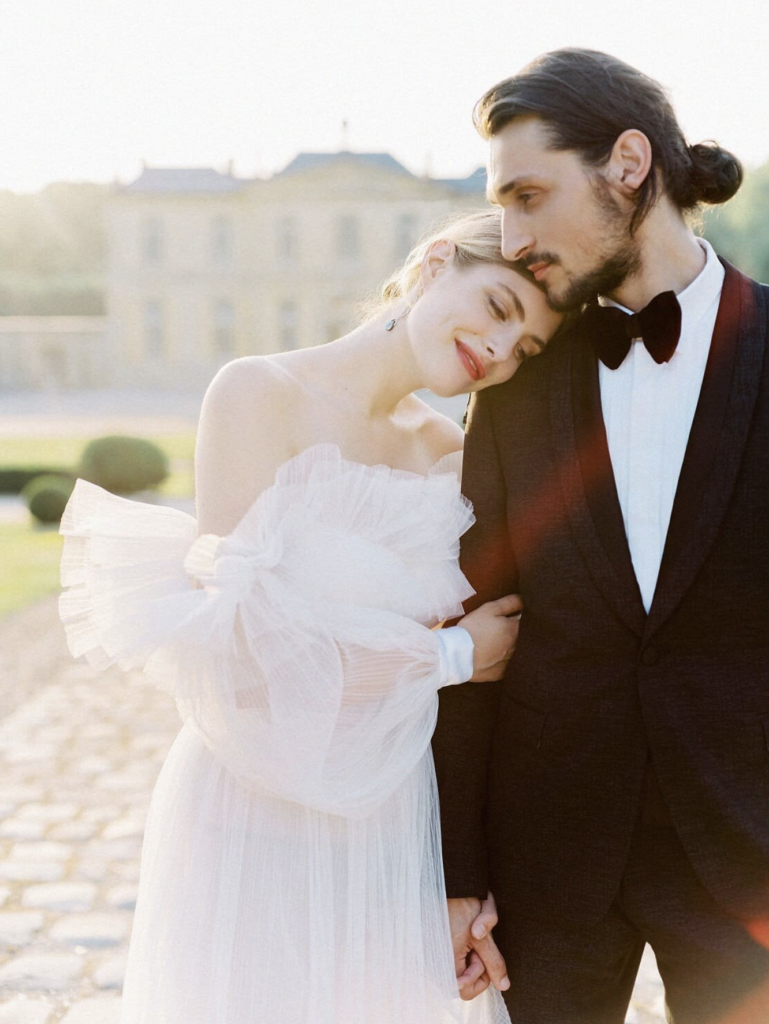
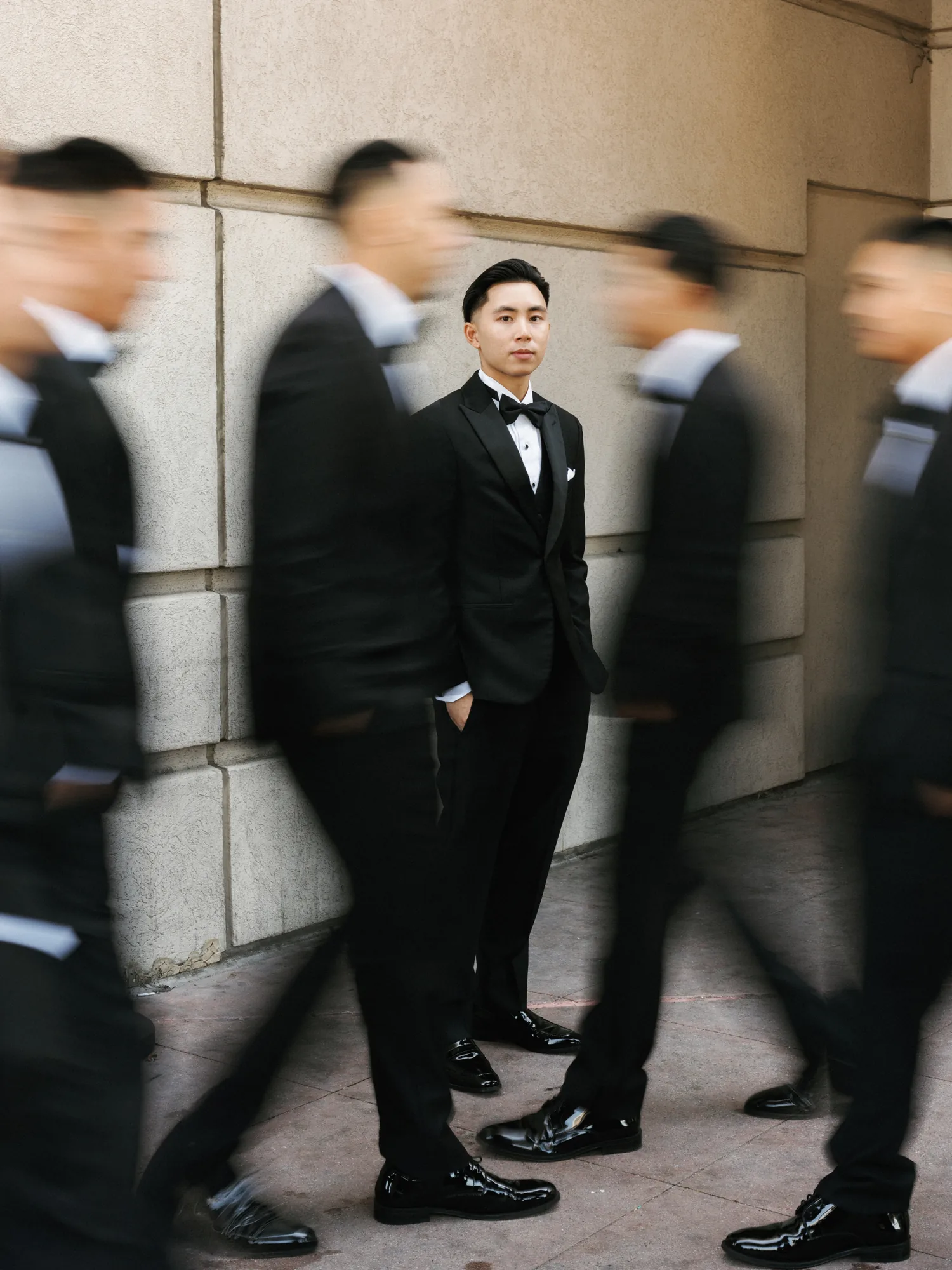
A Westchester wedding photographer should be able to read a property as a sequence of confirmed spaces. An estate, manor or castle can suggest scale, but the wedding still moves through preparation, vows, family photographs, couple time, cocktail hour, dinner and dancing. The photographs and film stay calm when the route is settled before the timeline asks the couple to move.
Begin with access. Write down the rooms or grounds included in the agreement, the arrival time, the portrait permissions, the indoor alternative and the person who can authorize a change. Use the Westchester wedding venues guide for venue research and the wedding venue checklist to carry the answers into the contract stage.
At Lyndhurst, the booking rule is the beginning of the plan
Lyndhurst states that it does not allow wedding, engagement or other special-event photography on its grounds unless the wedding is booked there. Treat that as a hard access boundary, not a suggestion.
If a wedding is booked elsewhere, Lyndhurst should not appear in the portrait route. If it is booked at Lyndhurst, ask which grounds are included, when the team may enter, where equipment may wait and which indoor alternative applies. Do not transfer one property’s rule to another.
Plan the indoor alternative with the same care as the view
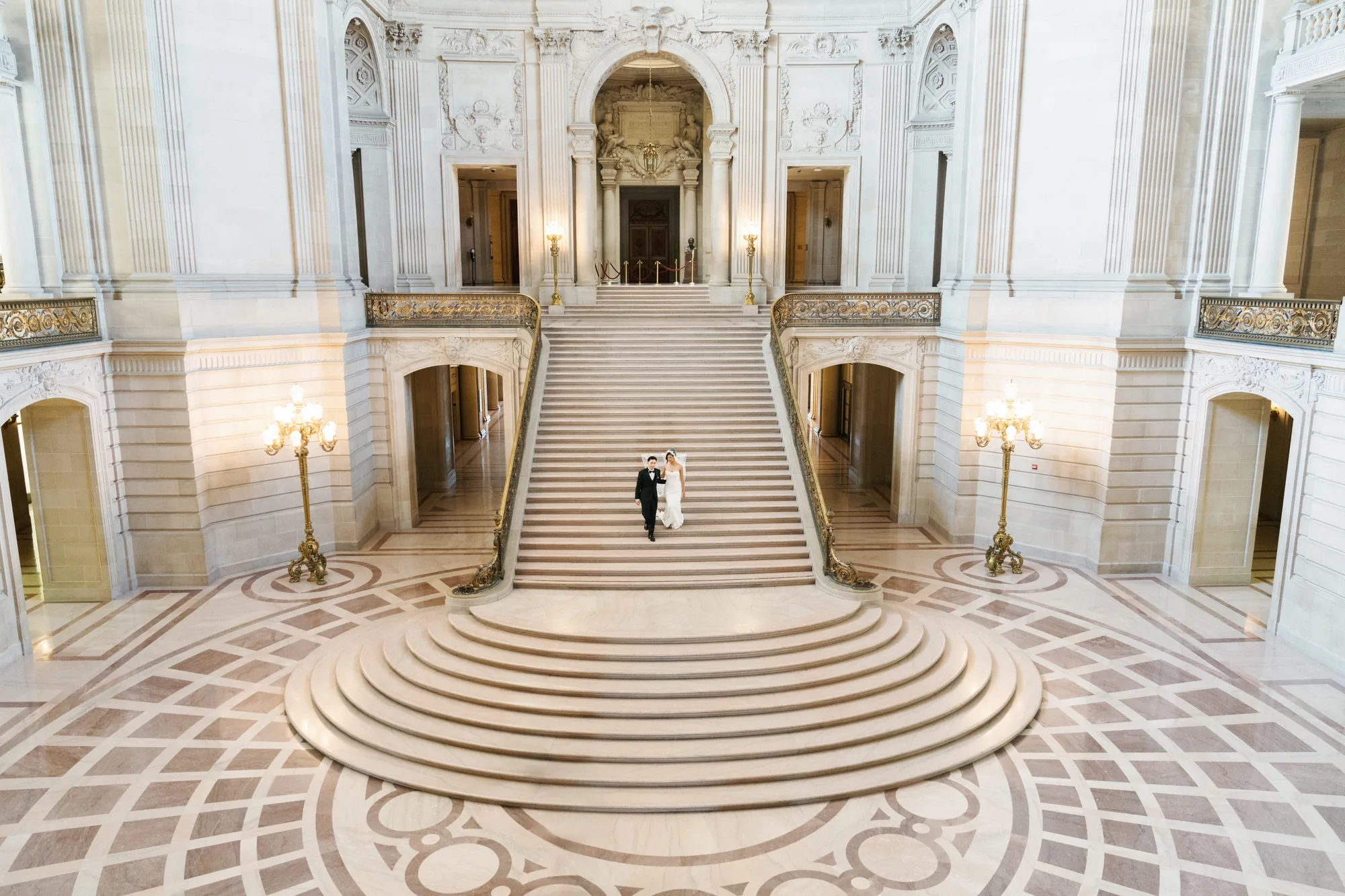
An indoor route is not a consolation version of the day. Identify where family can gather without blocking guests, where the couple can pause and how ceremony, cocktail hour or reception changes the room. A staircase, window line or architectural edge can give portraits direction without moving the wedding to another property.
The Dreamwood image beside this section is a portfolio reference, not a Westchester venue or client claim. Its role is to show that a confirmed interior can support an editorial portrait sequence when timing and access are known.
Put four access decisions beside the timeline
Arrival and preparation
Record when photo and film may enter, where equipment can wait and which room is available before guests begin to arrive.
Ceremony and sound
Confirm the ceremony space, processional route, officiant position, microphone owner and the person who authorizes a weather move.
Family and portraits
Choose one gathering point, name the essential family groups and record the approved portrait spaces and time window.
Reception handoff
Mark how guests and the couple move into cocktail hour, dinner, speeches and dancing, including any room reset or restricted corridor.
A large estate still needs a short human route
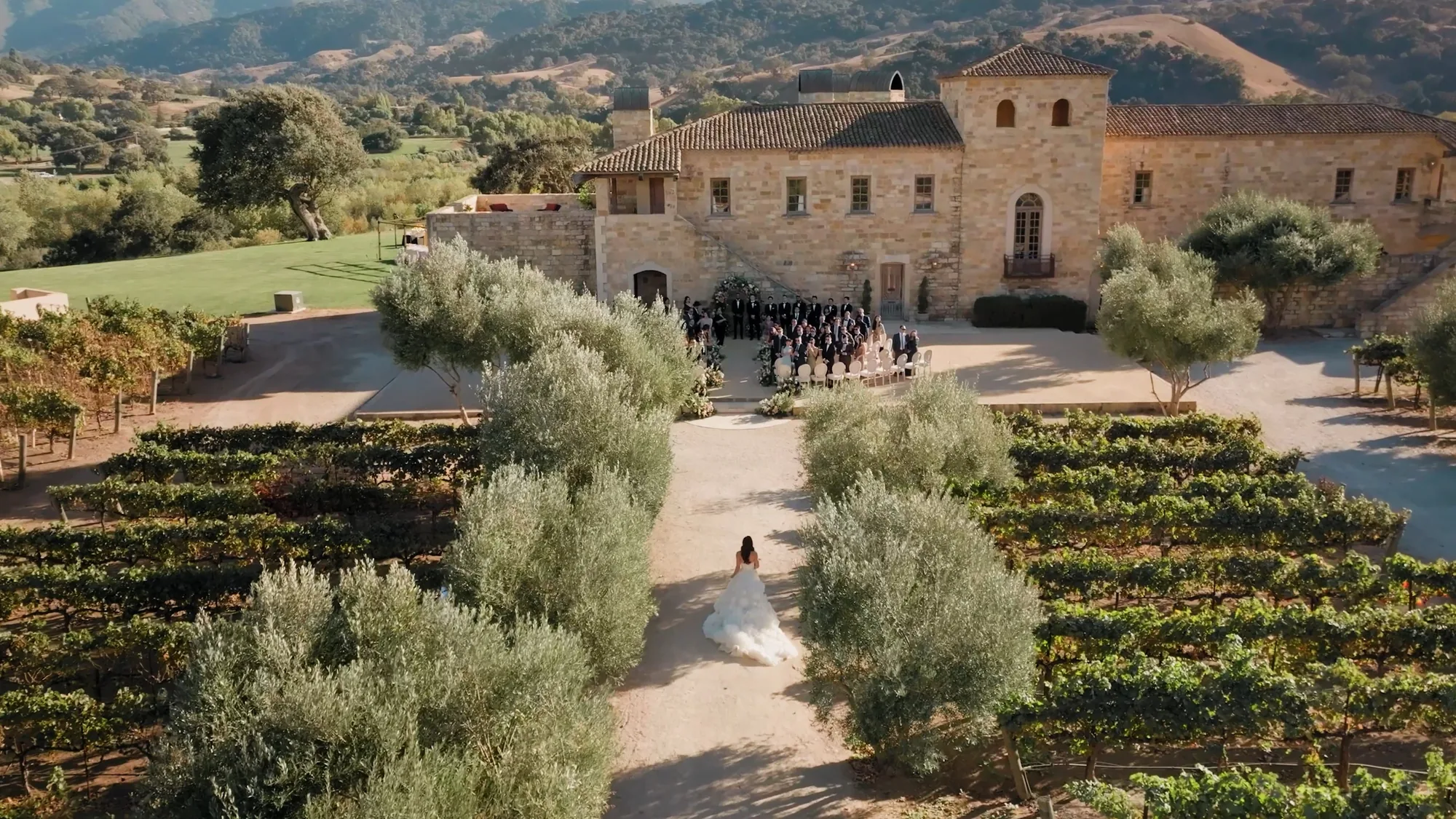
From above, a property can look like an endless set of possibilities. At guest level, every extra stop takes time, coordination and attention. Choose the spaces that support the actual celebration and keep family photographs close to the ceremony or cocktail-hour path.
The aerial image is a Dreamwood portfolio reference only. Use it to test the route: where are guests waiting, where is the couple expected next and which movement exists for the wedding rather than for the camera?
Three Westchester operator pages, three different access questions
These examples are not rankings or availability claims. They show why one generic estate checklist is not enough.
Briarcliff Manor: ask what “manor and grounds” means for the date
The Briarcliff Manor presents its historic manor and grounds as an event setting. Ask which indoor and outdoor areas belong to the agreement, where family photographs gather and who controls a weather or room change.
Whitby Castle: connect the Sound-facing grounds to the ballroom
Whitby Castle describes grounds overlooking Long Island Sound and a grand ballroom. Confirm the selected route between them, the guest handoff, portrait access and the indoor or sound plan for the wedding date.
Booked grounds: keep permission inside the timeline
For any property that publishes scenic grounds, place the permission answer beside the portrait window. Confirm when access starts, what equipment is allowed and who can approve a change. A public gallery is not a substitute for the event agreement.
Family photographs need a meeting point, not another backdrop
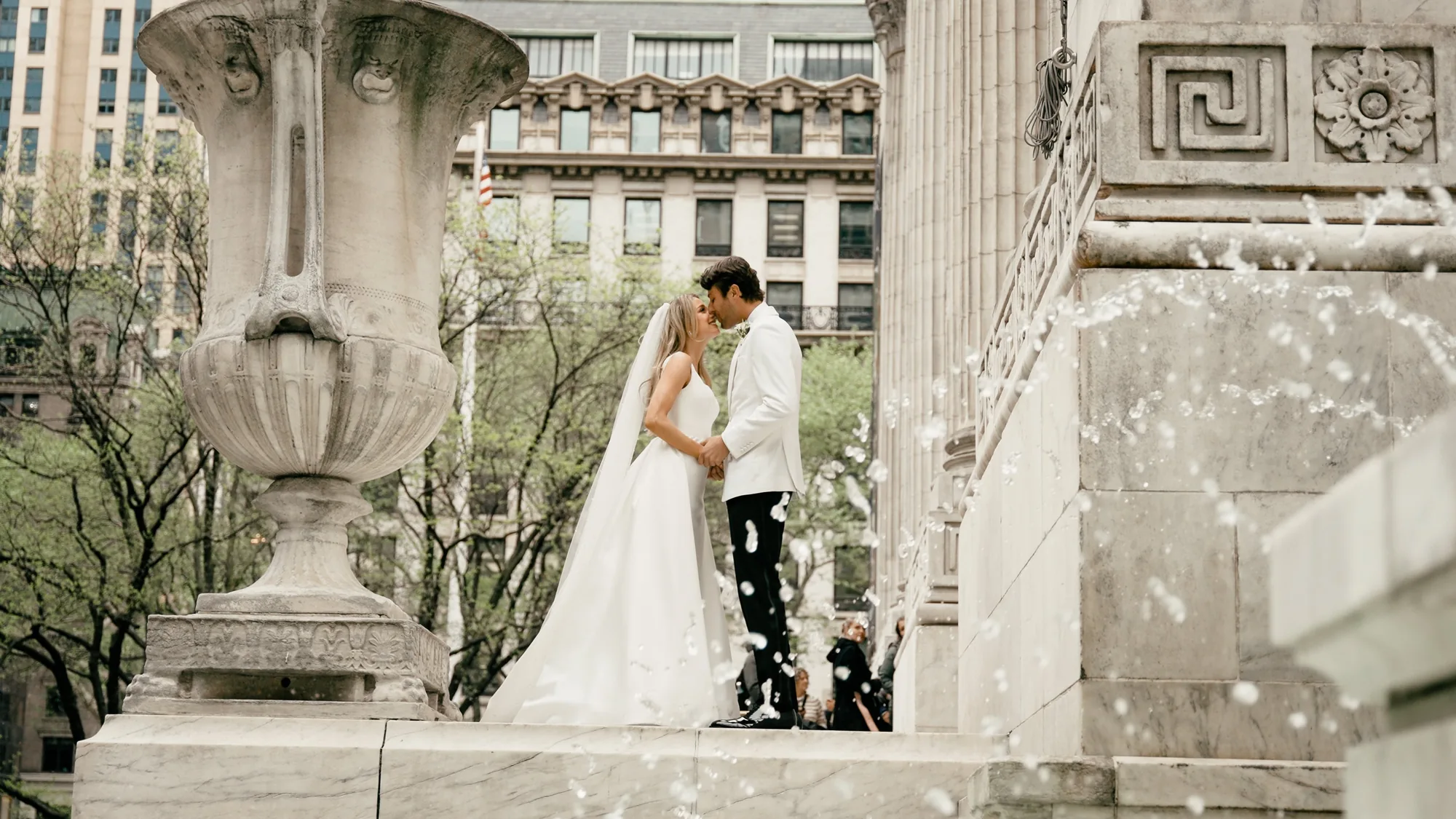
The family sequence is where an elegant estate timeline can become chaotic. Keep the group close to the ceremony exit, give one relative or planner the list and photograph the largest combinations first. Then release people toward cocktail hour instead of holding them for possible variations.
The architecture in this Dreamwood portfolio reference is not identified as a Westchester property. It demonstrates a simpler principle: once access is confirmed, one strong setting can carry the whole family and couple sequence.
Use film to test whether the room-to-room story makes sense
Film needs continuity that a venue map does not show. Vows require usable sound, speeches need context and a reception entrance needs a clear path through guests. Share the ceremony order, microphone plan, room reset and toast sequence before the day.
The New York Public Library teaser below is a Dreamwood portfolio example from New York City, not Westchester. It is included to show how architecture, movement and sound can remain connected without implying a local venue relationship.
Make the weather decision before guests need it
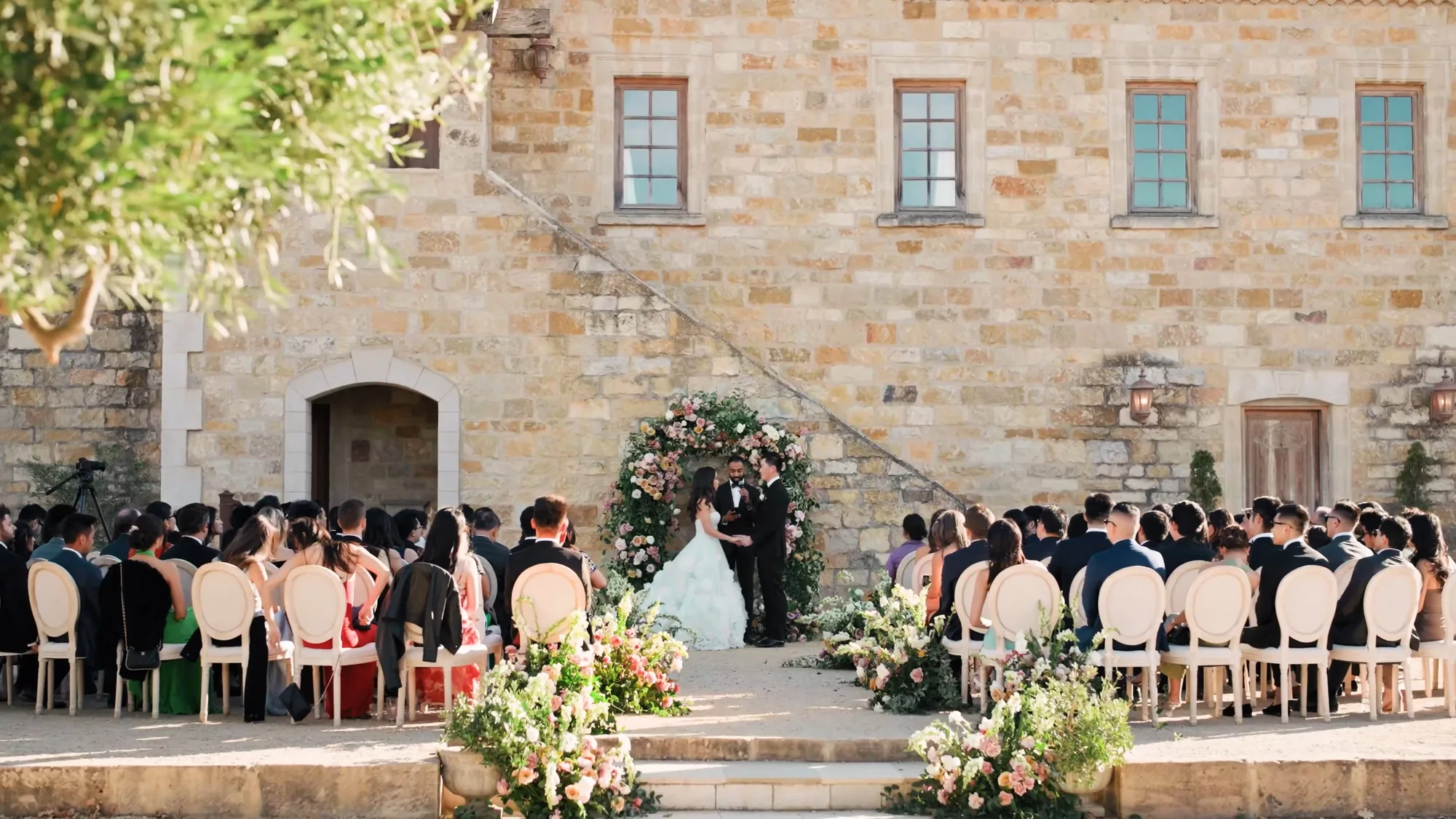
For an exterior ceremony, name the person who can change the plan and the exact indoor route that follows. Confirm guest movement, camera positions, microphone changes and when the decision must be made. That lets photo and film adapt without turning the ceremony into a technical conversation.
The ceremony image is a Dreamwood portfolio reference and is not presented as a Westchester wedding. It illustrates the relationship between sightlines, guest scale and the route that follows the vows.
Have the Westchester access notes ready?
Share the date, booked property, confirmed spaces, ceremony time and whether you are considering photography, film or both. We can begin with the route and family moments that should feel effortless.
A landscape is part of the story only when access is real
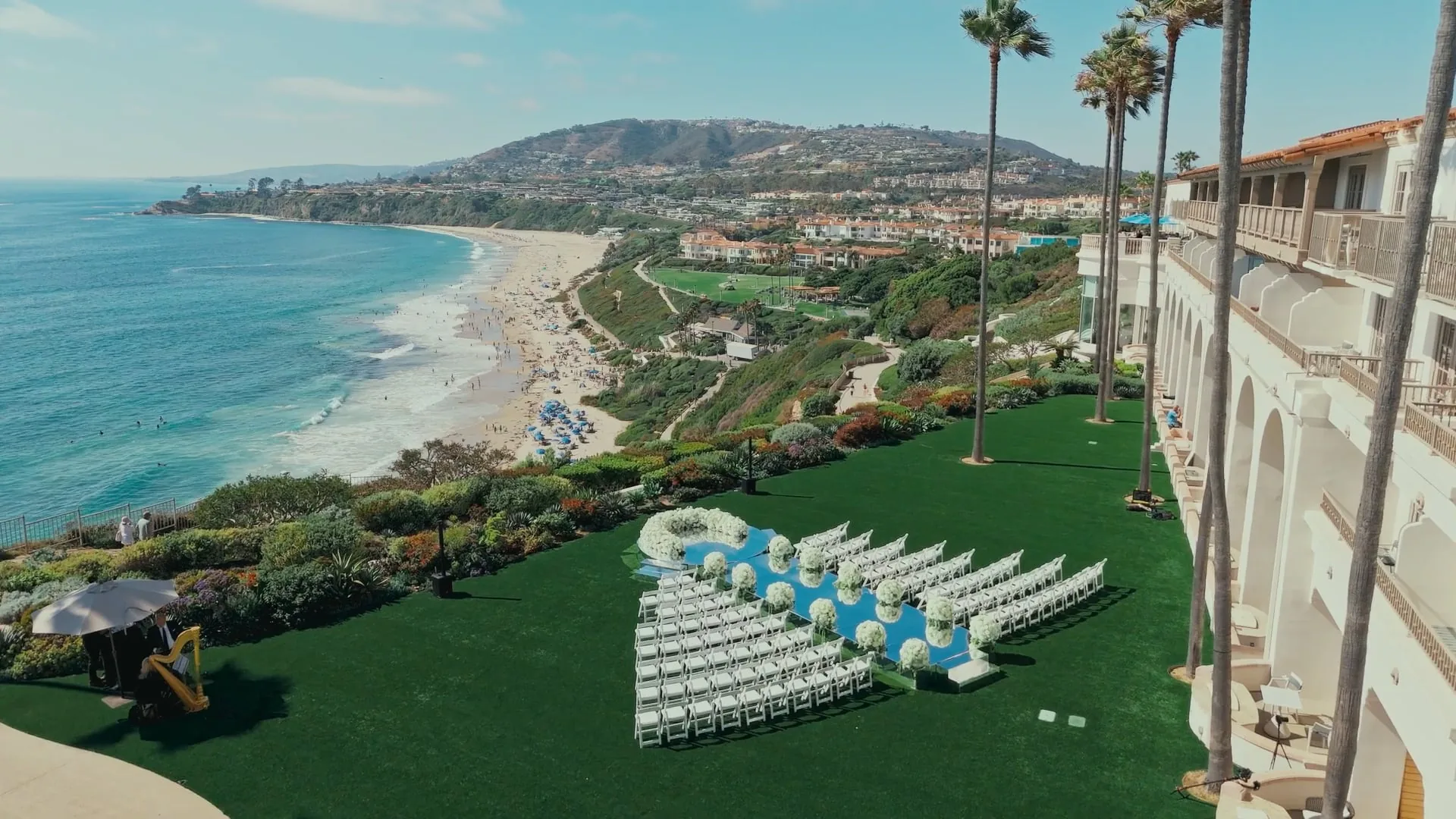
A view can shape the atmosphere of the day, but it should not become a promise made from a website photograph. Confirm whether the grounds are included, where guests may stand, how long portraits may run and what changes if weather or property operations close the route.
This final Dreamwood estate reference is visual context only. The practical test is simple: if the permission answer is missing, the location is not yet part of the coverage plan.
Frequently asked questions
Can a property description stand in for event access?
No. Use it to form questions, then have the operator confirm the contracted rooms or grounds, arrival time, portrait permission, guest route, equipment position and indoor alternative for the date.
Do we need every estate space for portraits?
No. A small confirmed route is easier for guests and family than a long list of possible rooms or grounds. Choose the spaces that support the celebration and confirm how long they may be used.
How should photo and film share a multi-room timeline?
Mark where vows, speeches, portraits and guest transitions happen. Confirm unobtrusive camera and microphone positions and leave one named person responsible for a room, weather or access change.
What should we bring to a planning call?
Bring the agreement or venue notes, ceremony time, family list, portrait permissions, indoor alternative and sound plan. Those facts make the conversation specific without turning the wedding into a production schedule.
Keep the family list and access notes together
Review complete Dreamwood work in the gallery and wedding films. For the regional context, use the Hudson Valley wedding photographer guide; for other markets, return to the City Pages hub.
The current pricing page holds service structure. The protected form below remains the inquiry boundary.