Owning the Files Is Not Owning the Copyright
As a general rule under U.S. copyright law, the photographer who creates an original photograph owns the copyright from the moment the image is created. With an independent photographer, that will generally mean the photographer holds the copyright. With a photography studio, the studio may hold the copyright under its employment, work-for-hire, or other agreements with the photographer. A different arrangement can also apply when copyright has been transferred in writing.
Receiving a wedding gallery gives the couple the finished photographs and the permissions included in the photography agreement. Those rights are separate from copyright ownership.
Copyright covers rights such as reproducing the photographs, distributing copies, creating new versions of the work, and displaying the images publicly. A photography agreement can give the couple permission to use their photographs for personal purposes without transferring copyright.
A couple can therefore receive a complete wedding gallery, print photographs for the home, share images with family, and post them on personal social media without owning the copyright.
Those permissions come from the license or other terms in the photography agreement. If broader rights are important, the agreement should describe them specifically. A full copyright transfer is a separate arrangement and, under U.S. law, generally needs to be put in writing and signed by the copyright owner.
Expert Note
Copyright rules vary between countries, and the ownership structure can also differ between an independent photographer and a photography studio. A photographer may hold the copyright, a studio may hold it through its employment or other agreements with photographers, or the contract may establish a different ownership or licensing arrangement. Couples booking photography outside the United States should check the rules that apply to their particular agreement instead of assuming that U.S. copyright law governs the booking.
What a Personal-Use License Can Cover
A personal-use license can cover many of the things couples expect to do with their wedding photographs after delivery: download and save the images, order personal prints, display them at home, share them with family, and post them on personal social media. The exact permissions depend on the wording of the photography agreement.
Personal use generally does not extend to commercial activity. Using a wedding photograph in a business website, advertising campaign, product launch, or other commercial project may require separate permission from the copyright owner. Selling photographs, licensing them to another business, or using them in paid promotional material can raise the same question.
The agreement may also address editing. A simple crop or adjustment for a personal post can be treated differently from removing elements, adding new content, or substantially changing the photograph. Couples who plan to make significant edits, use AI-based editing tools, or create new work from a wedding photograph can ask the photographer or studio to confirm what the agreement permits.
Print Releases
A print release is written permission for a client to have photographs reproduced for the purposes described in the release. Some photographers provide a separate document, while others include print permissions directly in the photography agreement or delivery terms.
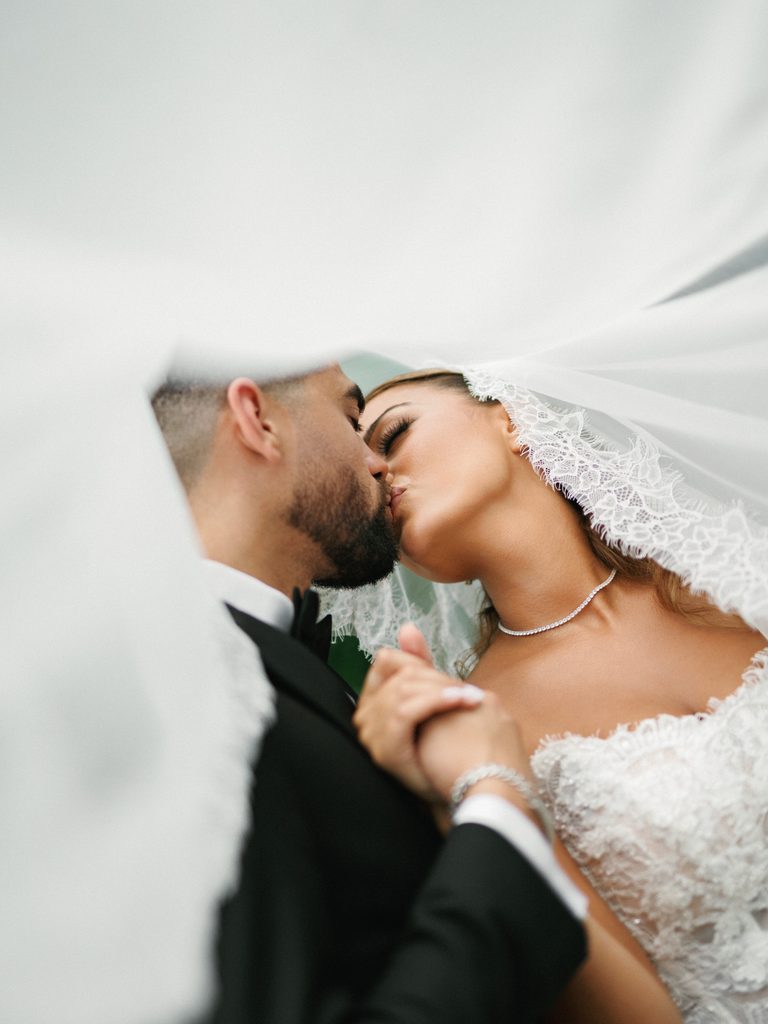
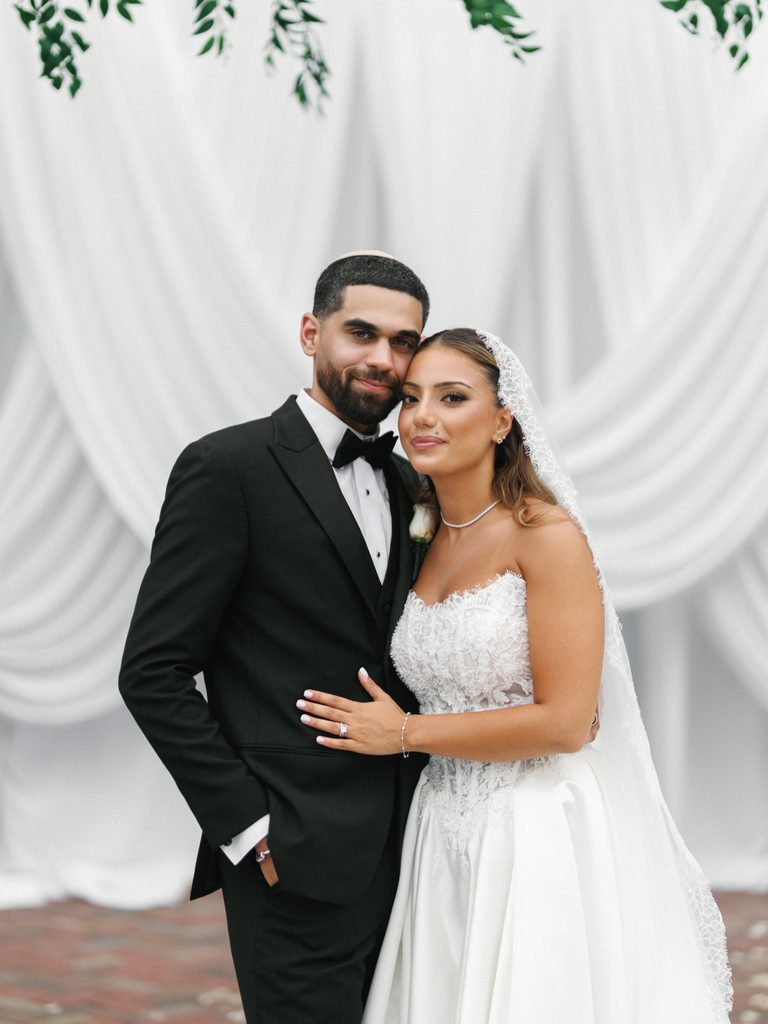
A release may permit personal printing through outside photo labs, for example, without granting broader rights to reproduce or use the photographs commercially. Some agreements combine print permission with other personal-use rights, such as sharing digital copies or posting photographs online. Those additional permissions belong to the broader license and should not be assumed simply because a contract includes a print release.
A couple planning to order prints through an outside photo lab can check whether the lab asks for documentation from the copyright owner. Requirements vary between labs, and a separate print release is not required for every print order. If proof of permission is requested, the couple can provide the release or the relevant contract language supplied by the photographer or studio.
A print release does not transfer copyright. It gives the couple the permission described in the release, while copyright remains with the copyright owner unless the agreement provides for a separate transfer of rights.
Sharing With Vendors and on Social Media
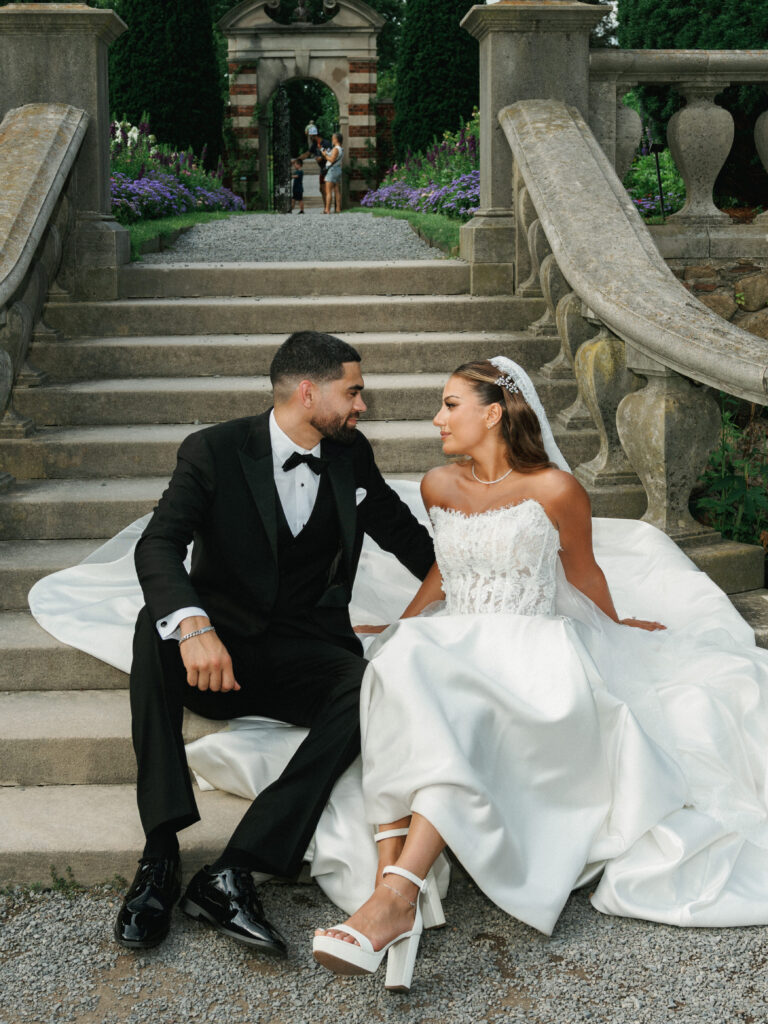
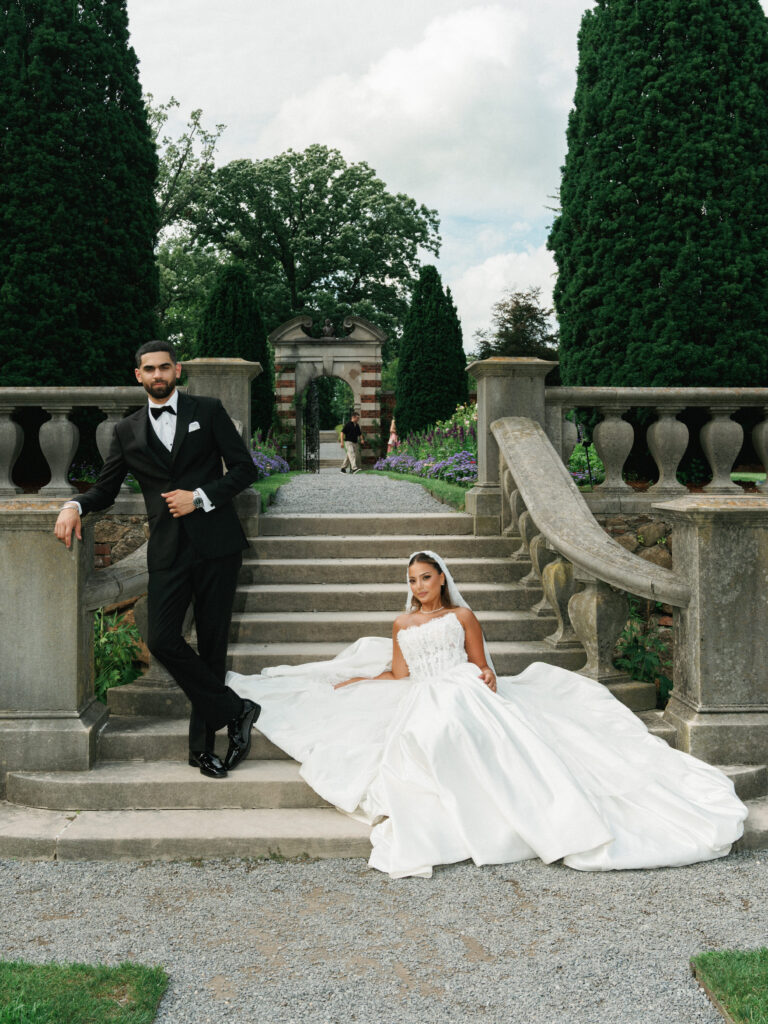
For most couples, sharing wedding photographs after the gallery arrives is one of the main reasons for having the images in the first place. A personal-use license may cover posting photographs on personal social media, sending them to family and friends, and sharing them as part of everyday life after the wedding. Some photographers also ask couples to credit the photographer or studio when posting, so that preference can be checked in the agreement.
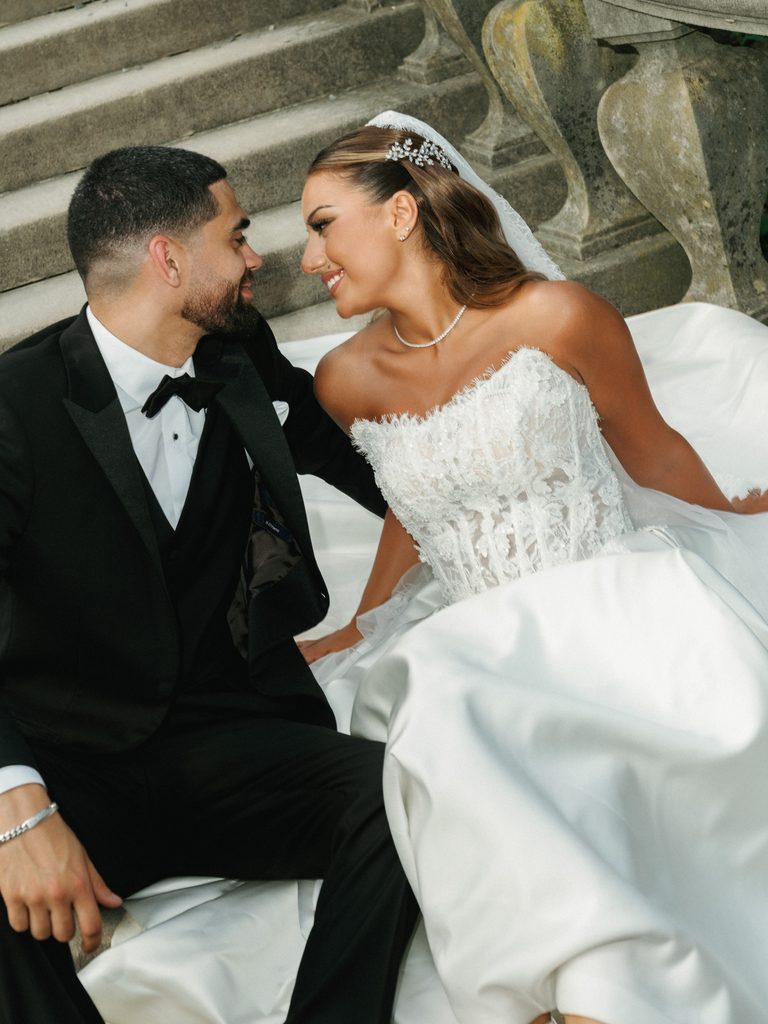
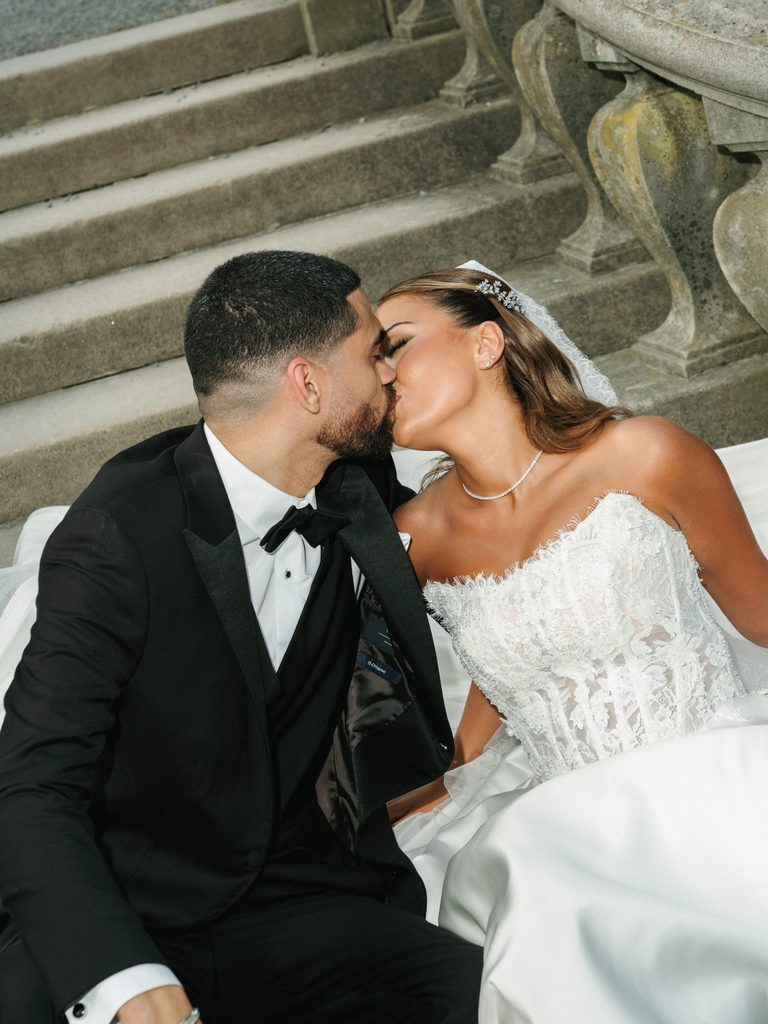
The question changes when another business wants to use the photographs. A florist, planner, venue, or designer may ask for images for a website, portfolio, social media account, publication, or promotional material. That use concerns the vendor’s own business, so the couple’s personal-use permission does not automatically give the vendor the same rights. Permission may need to come from the photographer or studio that holds the relevant rights.
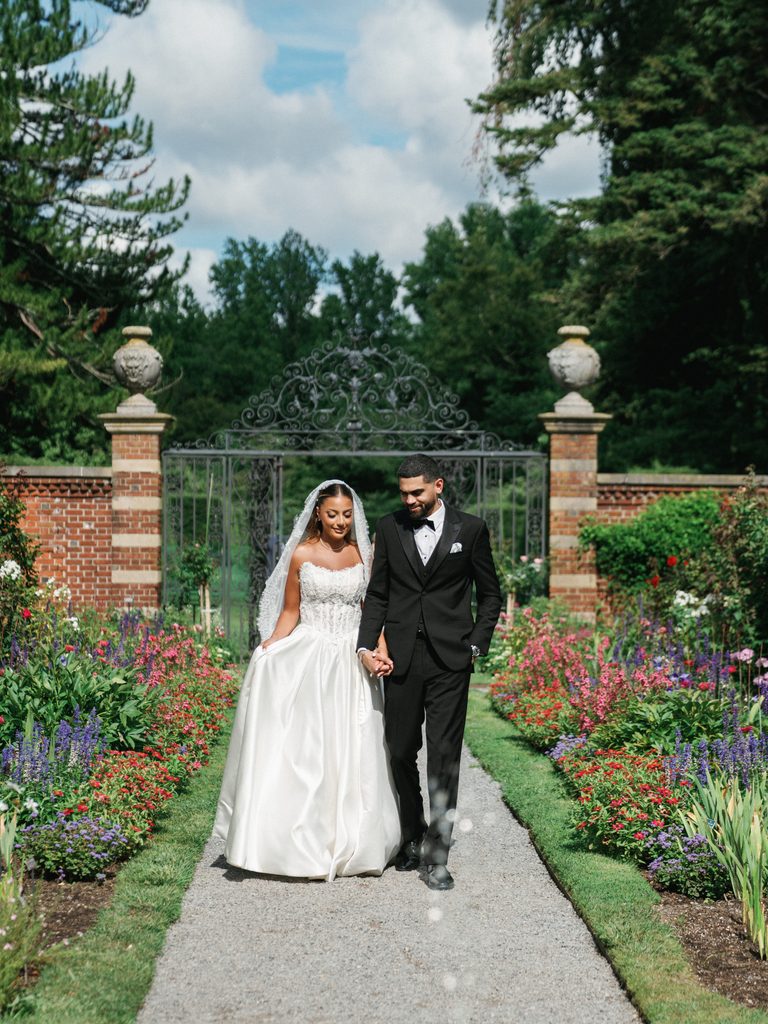
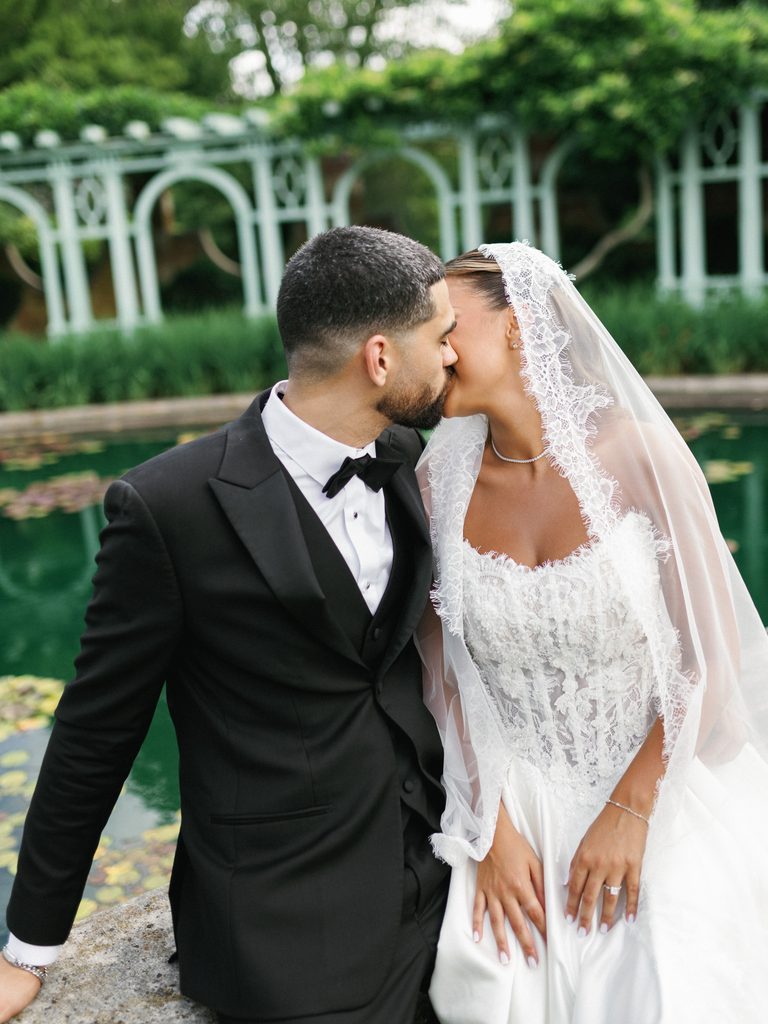
Many photography businesses are happy to approve this kind of vendor sharing, particularly when the intended use is clear and the photographer or studio receives appropriate credit. Others may prefer the vendor to request permission directly. If several wedding vendors are likely to request photographs after the wedding, the couple can ask about that process before the gallery is delivered.
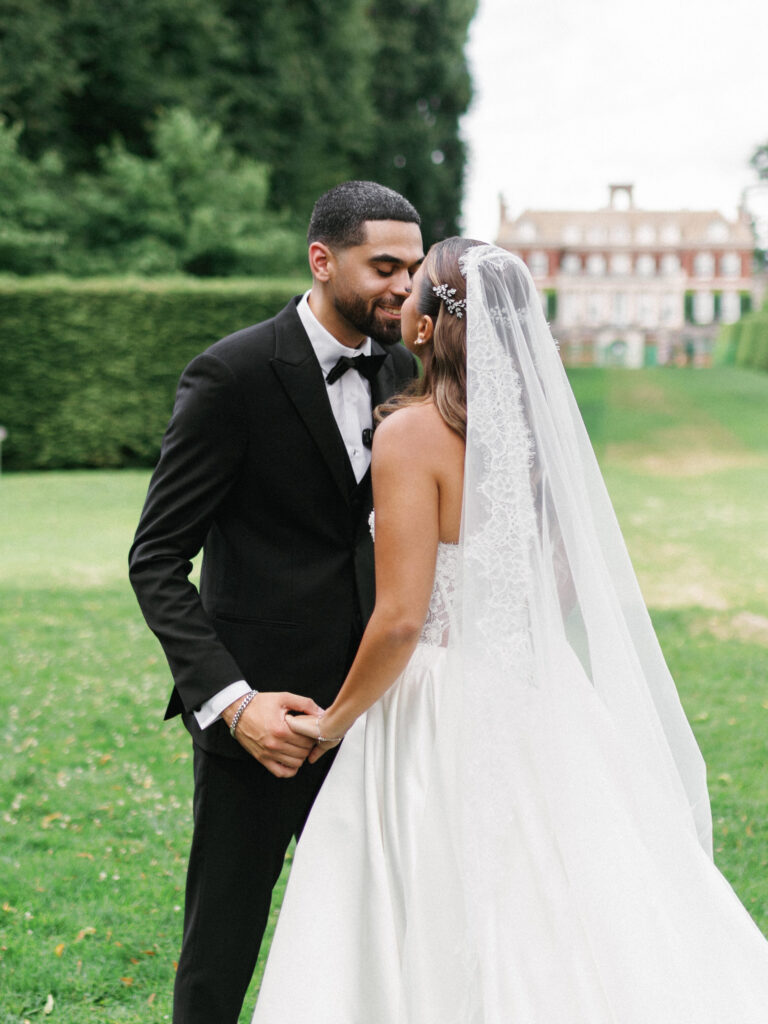
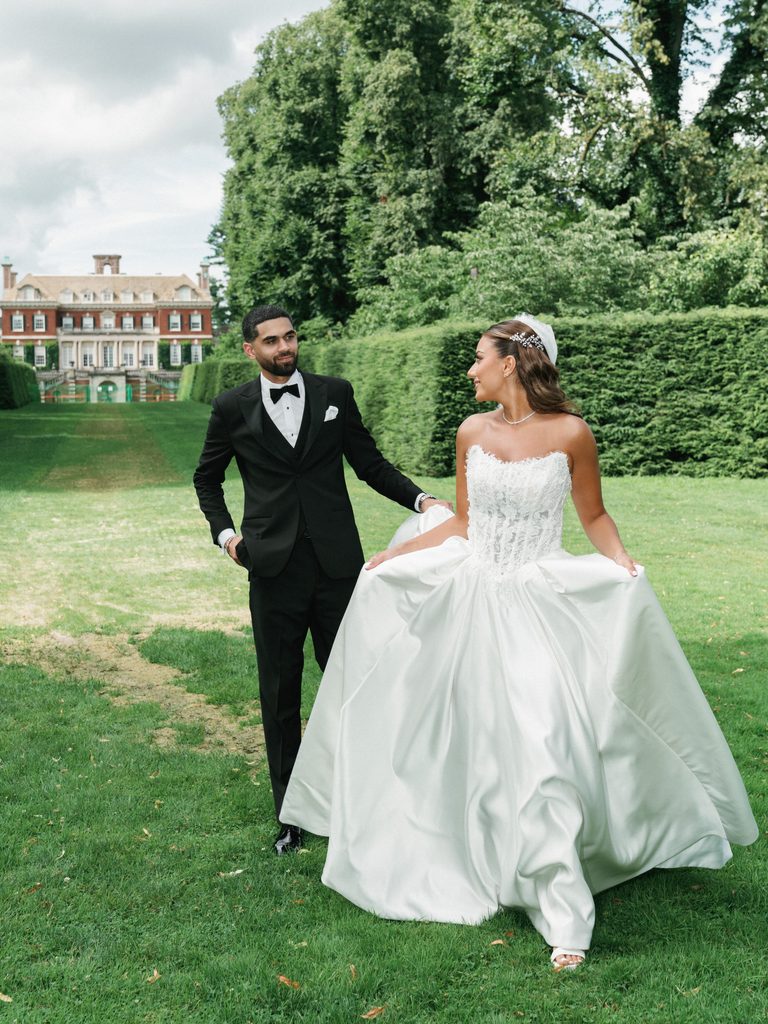
Guests are a simpler part of the picture. A guest sharing a photograph from the couple’s social media account is different from a business using the image to promote its services. Couples with particular privacy preferences can discuss public sharing with the photographer or studio and note any specific restrictions in the agreement.
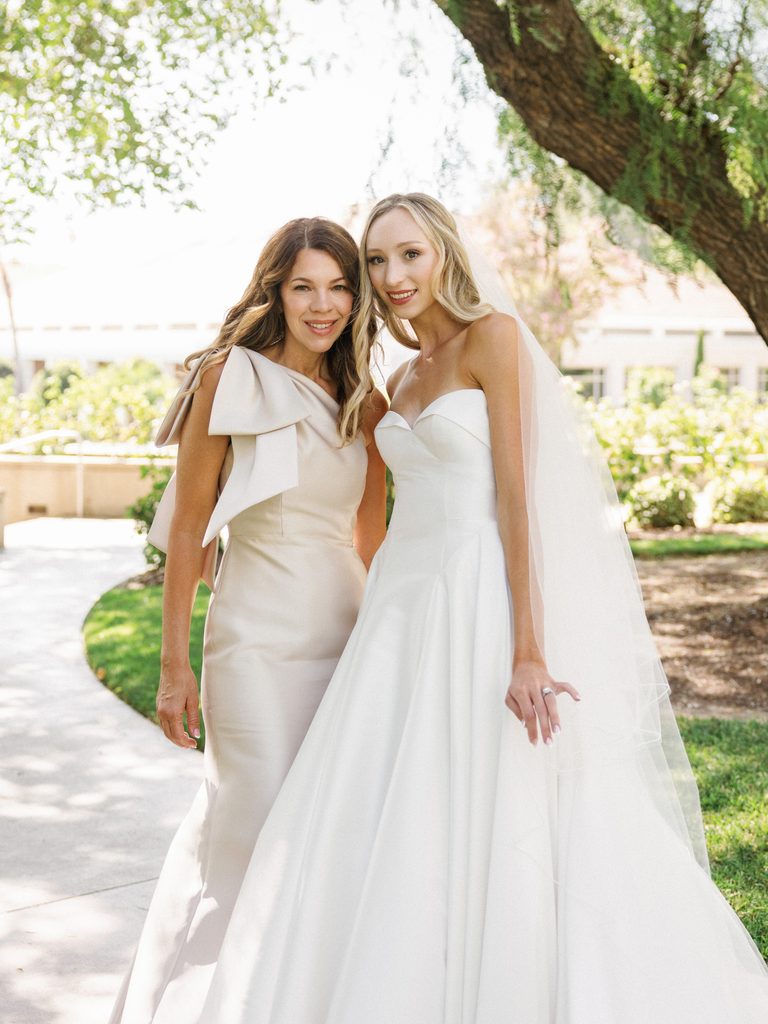
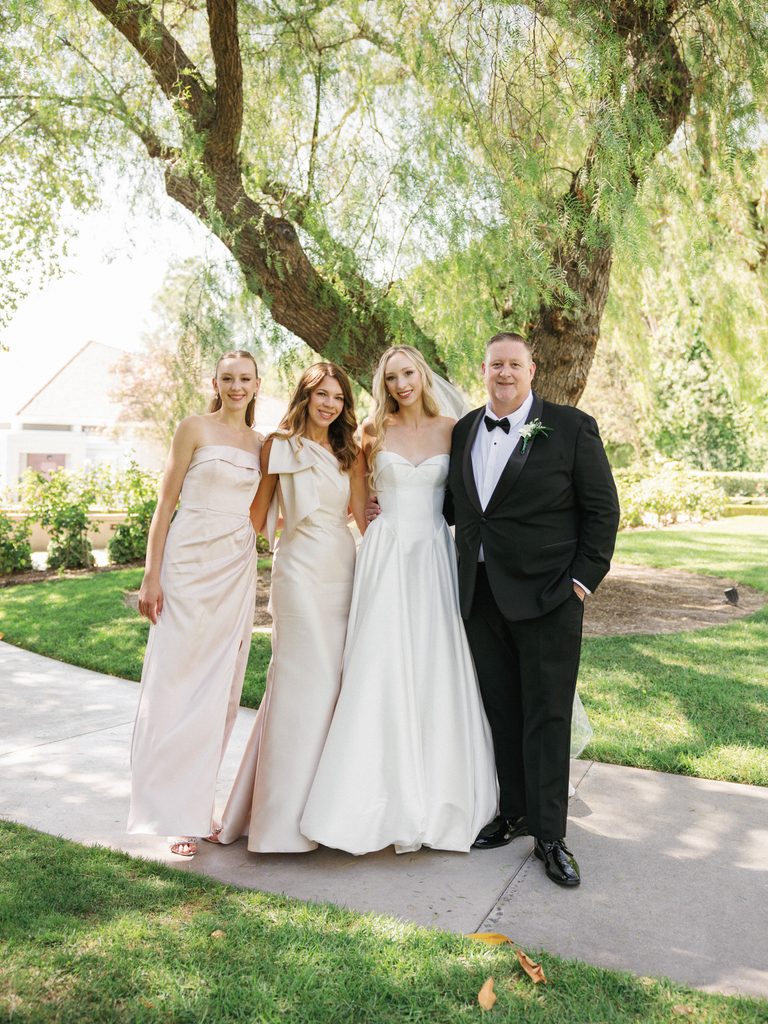
For personal use, the process is usually much simpler than the terminology around copyright can make it sound. Couples can generally enjoy, share, and post their wedding photographs within the permissions included in their agreement. The additional questions tend to arise when someone else wants to use the images for their own professional or commercial purposes.
Questions to Ask About Image Rights
The contract should make the permitted uses of the delivered photographs understandable.
A few direct questions can clarify the practical scope:
- Does the personal-use license include social media posting?
- Can the couple print the photographs through an outside photo lab?
- Is a separate print release provided?
- Can photographs be shared with family members and friends?
- Can photographs be sent to the wedding planner, florist, venue, or other vendors?
- Can those vendors use the photographs for their own portfolios, websites, or marketing?
- Does the photographer or studio require credit or tagging when images are posted?
- Are there restrictions on editing or altering delivered photographs?
- What permission is required for commercial use?
- Are there any restrictions on submitting photographs to publications or competitions?
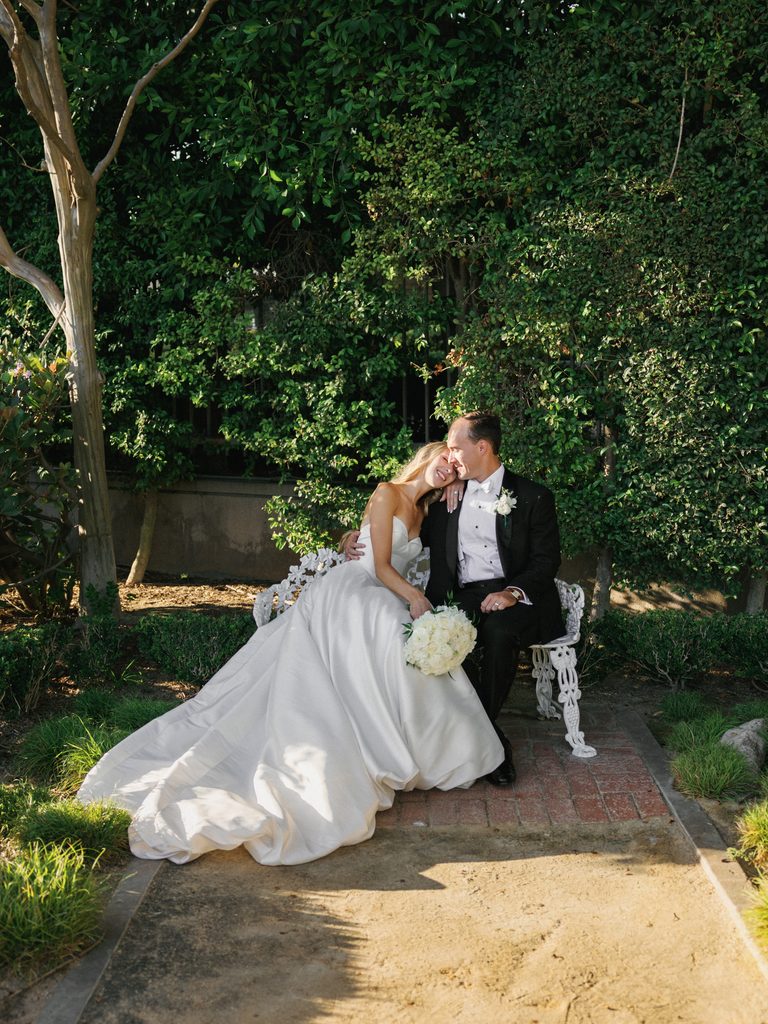
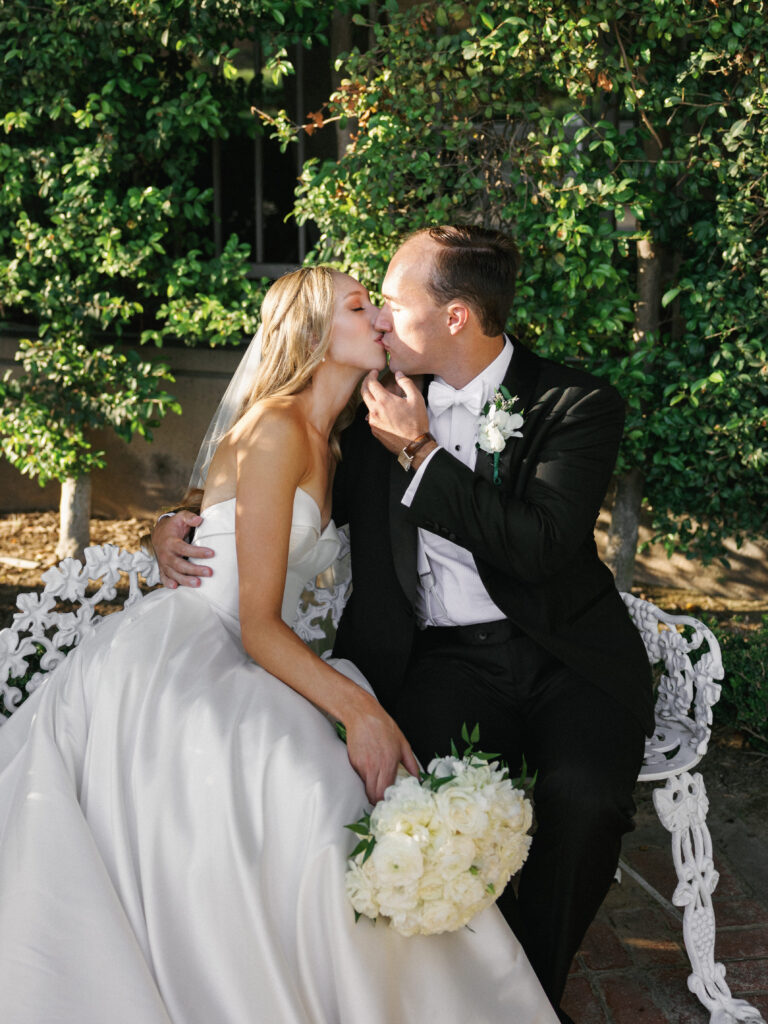
Any agreement reached during the consultation should appear in the written contract or an amendment. A verbal explanation can clarify how a photographer or studio intends to handle image use, but written terms give both sides something concrete to refer back to later.
Watermarking can also come up when discussing delivered files. Some photographers provide unwatermarked, high-resolution images as the final delivery, while preview galleries or lower-resolution files may carry a watermark. Couples can ask when watermarks are removed and whether the delivered files will be suitable for personal printing and sharing.
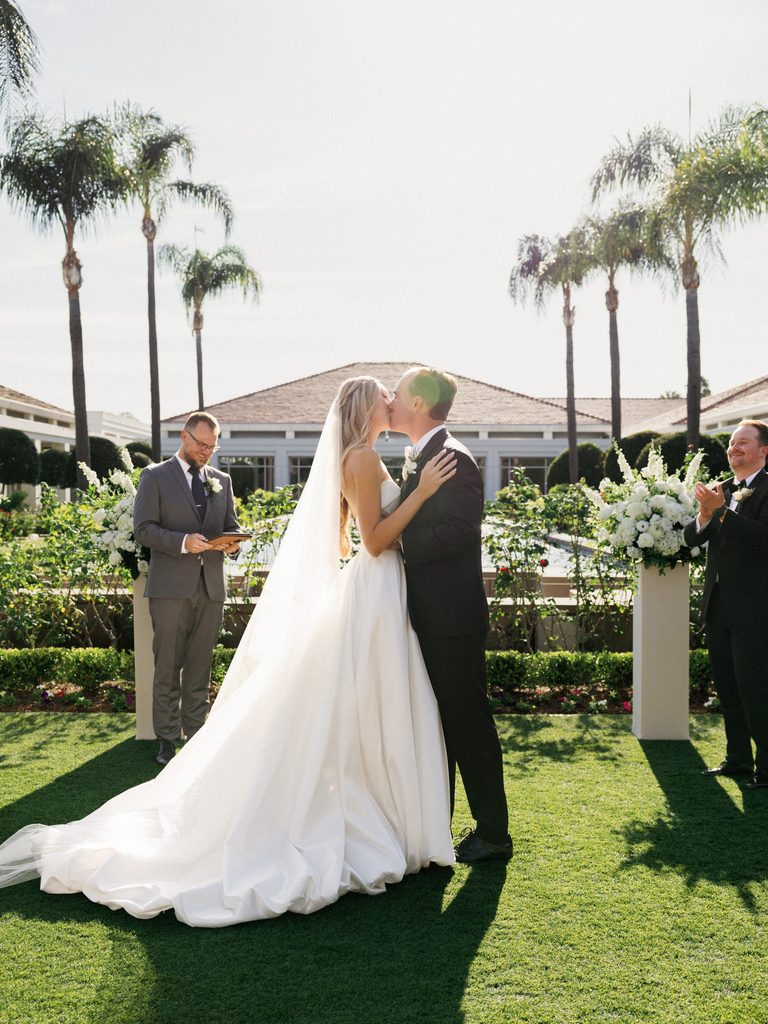
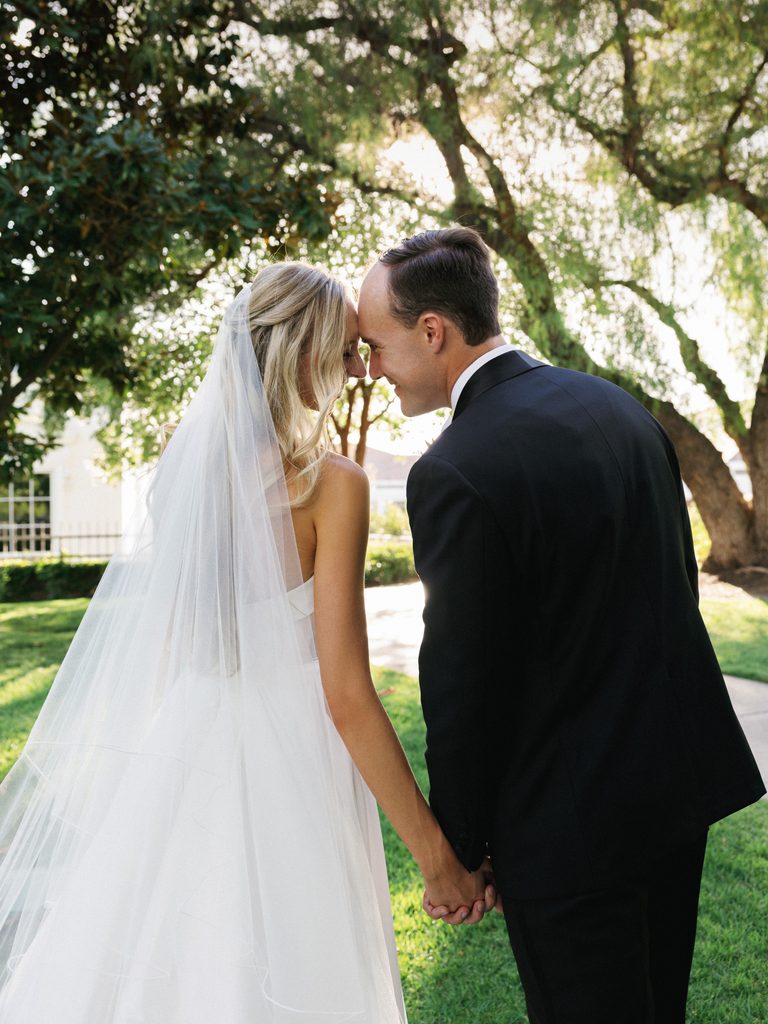
See Real Weddings in Our Gallery
Browse real celebrations photographed and filmed by Dreamwood across locations, cultures, venues, and styles.
When to Seek Legal Advice
Most questions about personal use can be answered directly by the photographer or studio. Legal advice becomes more relevant when the contract contains unfamiliar language, the requested rights go beyond the standard license, or the couple is considering an arrangement with significant legal or financial consequences.
A request for full copyright ownership can fall into that category. So can a negotiated license that gives a couple unusually broad rights, places specific restrictions on future use, or affects how the photographs can be licensed to others. A lawyer can review the proposed language and explain what rights the agreement would actually transfer or reserve.
A couple who plans to use wedding photographs in advertising, branding, editorial campaigns, products, or another commercial project may also need legal advice. The intended use can involve rights and permissions that the standard personal-use license does not cover.
International bookings can also warrant legal review when the parties, photographer, or contract involve different jurisdictions. Copyright rules and contract requirements vary between countries, so a U.S.-based explanation may not answer every question that arises in an international booking.
The photographer or studio remains the right person to explain its standard license, what uses it permits, and whether it is willing to change those terms. A lawyer can explain the legal effect of the language and identify issues that may need negotiation. Those roles complement each other, especially when the requested rights fall outside the standard terms of the booking.
FAQ
Does paying for wedding photography give a couple copyright?
Not automatically. Under U.S. copyright law, the photographer generally owns copyright in photographs the photographer creates unless another ownership arrangement applies, such as a written transfer or a different legal structure. Paying for the photography service does not, by itself, transfer copyright.
Can vendors repost a couple’s wedding photos?
Not automatically. A vendor using wedding photographs for a portfolio, website, social media, or marketing may need permission from the copyright owner. A couple’s personal-use license does not automatically give another business the right to use the photographs for its own purposes.
Can couples print their wedding photos anywhere?
The answer depends on the permissions in the photography agreement. A personal-use license or print release may allow personal printing, while an outside photo lab may have its own documentation requirements. The couple can confirm the permitted printing rights with the photographer or studio before placing an order.
What is the difference between owning photo files and owning copyright?
Receiving or possessing digital photographs gives the couple access to those copies and the permissions granted by the contract. Copyright refers to the legal rights attached to the creative work, including rights to reproduce, distribute, display, and create derivative works. Those rights generally remain with the copyright owner unless they have been transferred or licensed.
Can a couple change the image-use terms after booking?
A photographer or studio may agree to different usage terms, depending on the booking and the requested rights. Any agreed change should appear in a written amendment or updated agreement so the permitted use is clear to everyone involved.