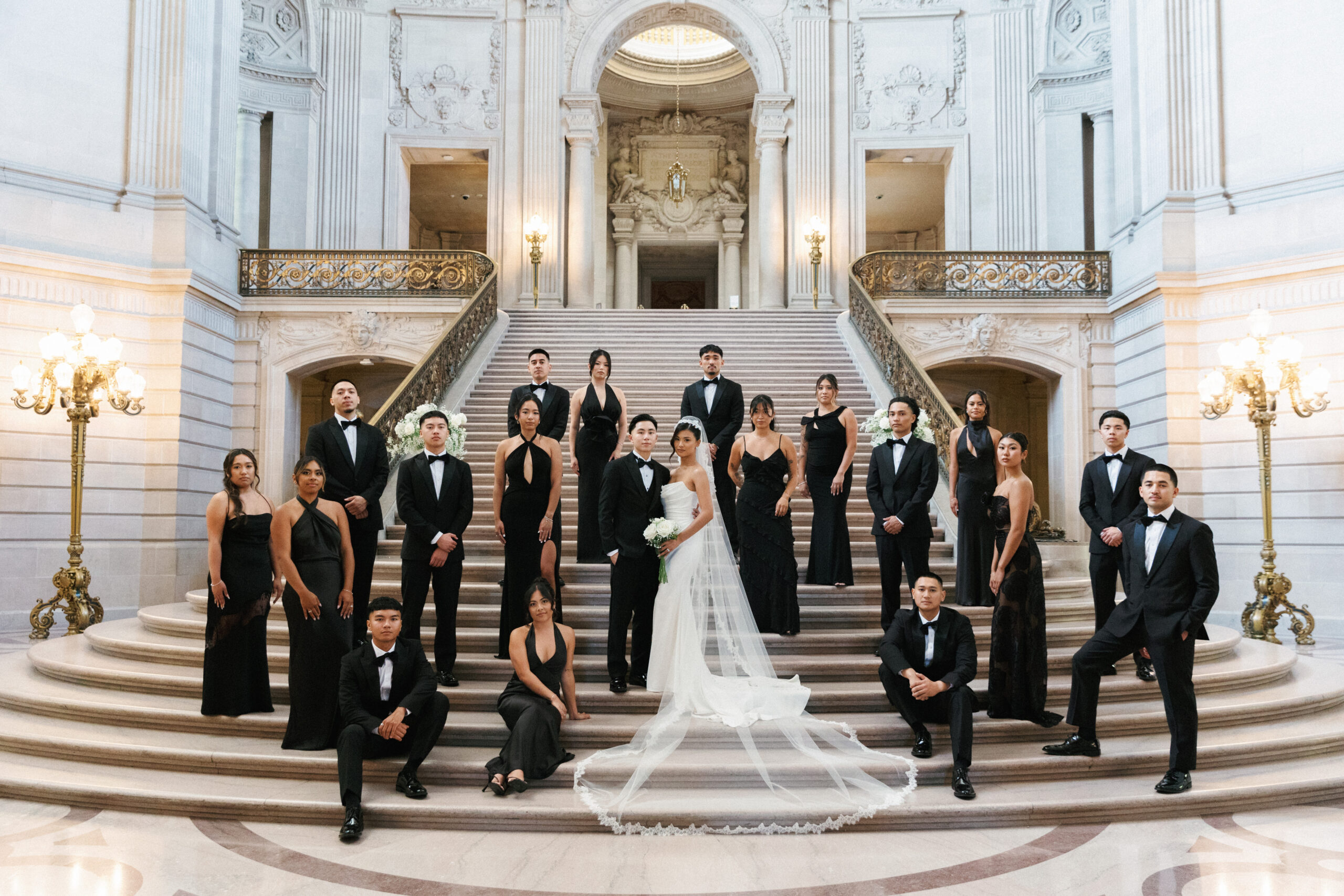
The Purpose of a Family Wedding Photo List
A family wedding photo list is one of the simplest planning tools you will create, but it often causes more stress than it prevents. Family portraits are among the few wedding photographs that are planned in advance. They are also the images couples are most likely to return to years later. A photograph with parents, grandparents, siblings, or people who shaped your life carries a different meaning from a beautiful portrait taken in perfect light.
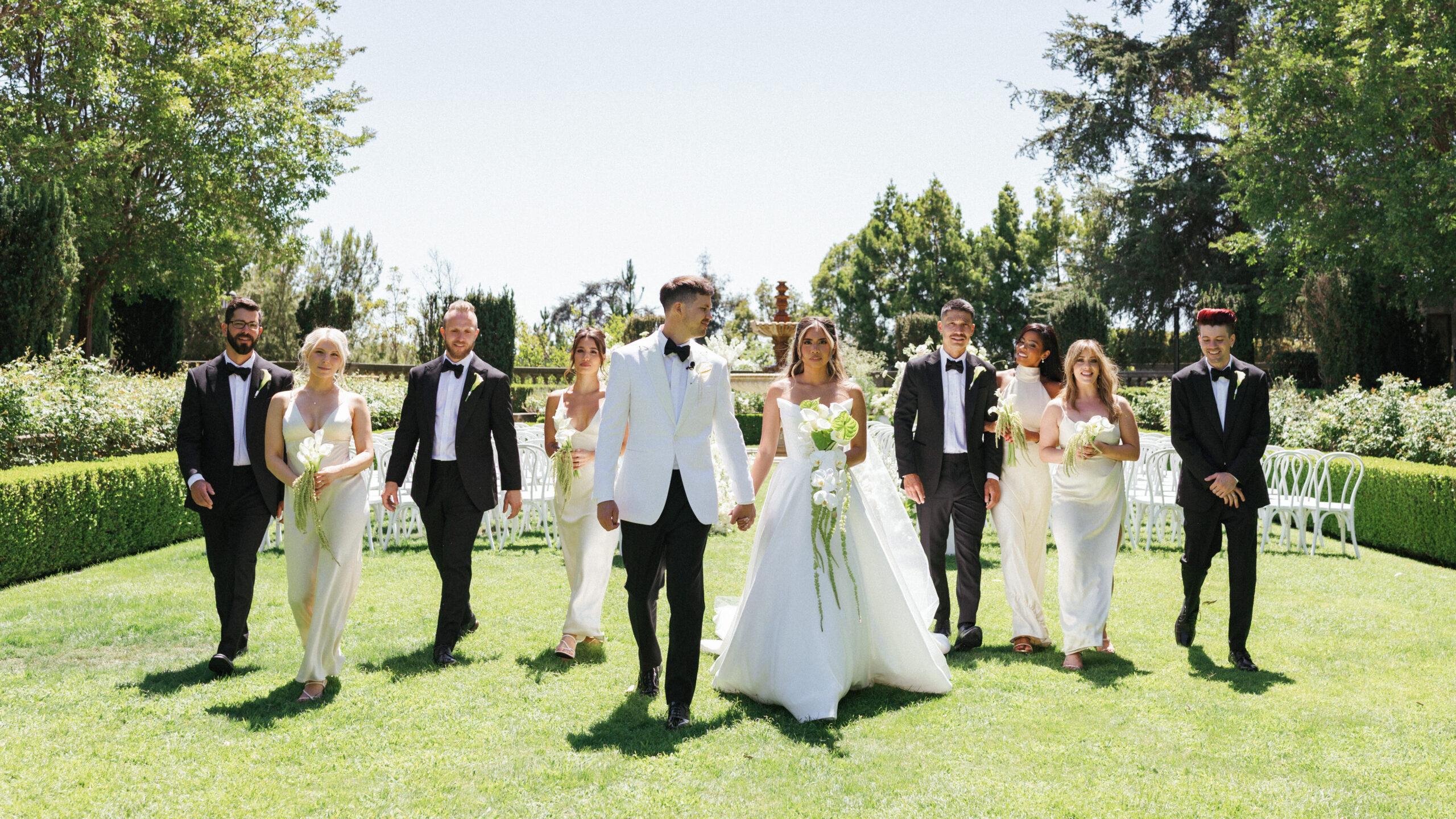
The purpose of a wedding photo list is to help your photographer capture the family photographs that matter most without asking you to remember names, organize relatives, or make decisions in the middle of your wedding day.
What a Family Wedding Photo List Should and Should Not Do
A good photo list is a communication tool between the couple, the photographer, and anyone helping organize the family portraits.
Before the wedding day, the photographer should know which family members are important, which groupings are priorities, and whether there are any circumstances that require a different approach. This allows the photographer to plan the order of portraits and avoid using valuable wedding-day time figuring out relationships on the spot.
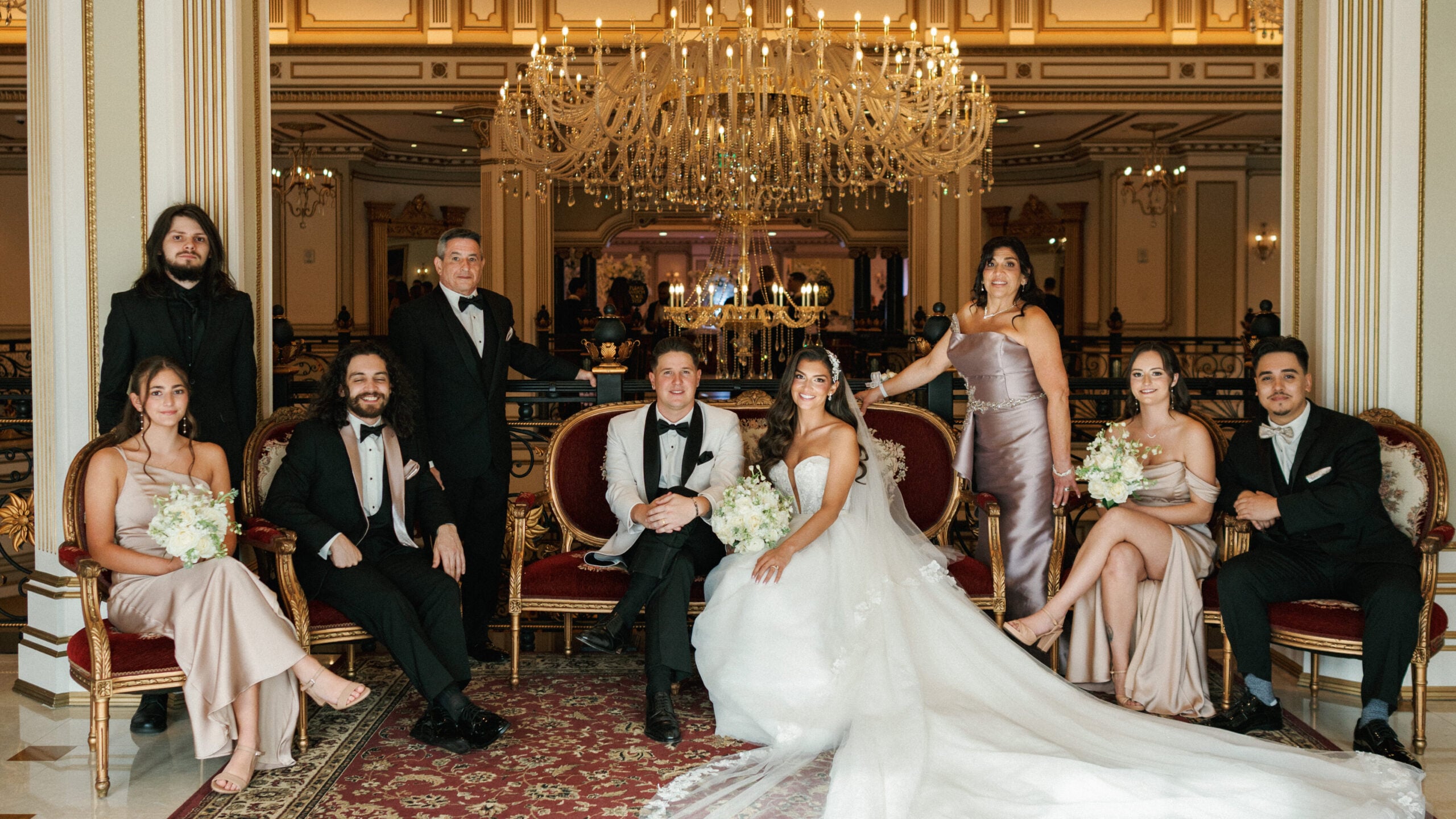
A family photo list is different from a production script. It does not need to prescribe poses, angles, backgrounds, or expressions, nor should it attempt to direct every image or account for every possible combination. While the intention is understandable, an overly detailed list often creates the opposite result. The portrait session becomes longer, guests become distracted, and the couple spends more time managing logistics than enjoying the moment.
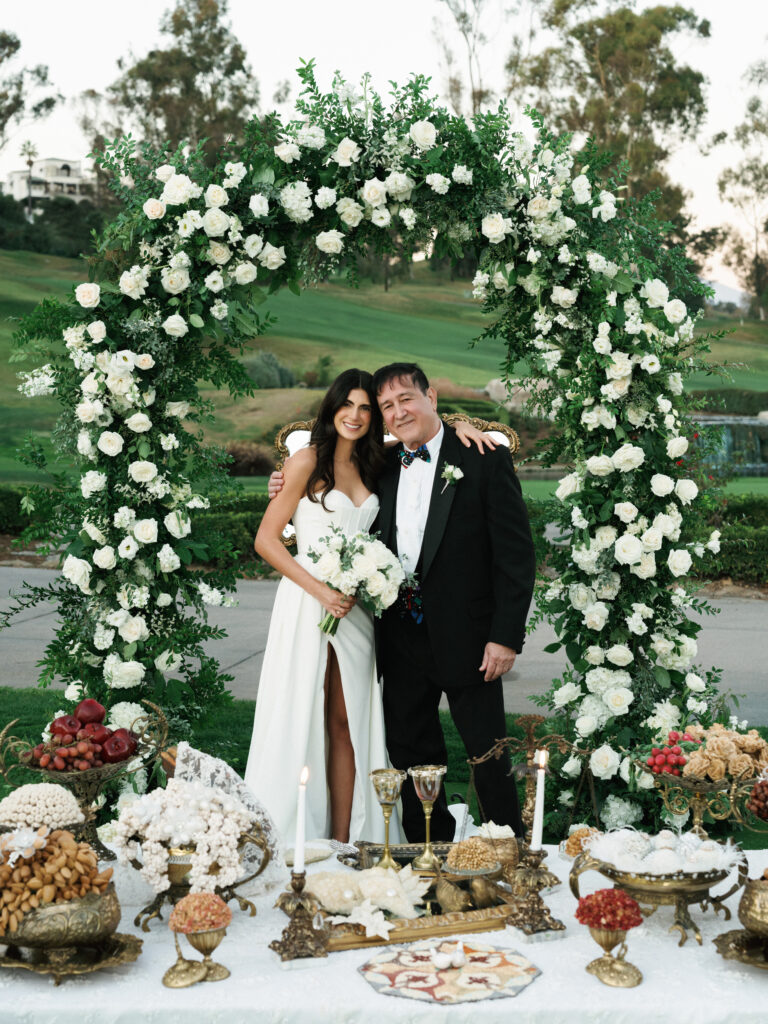
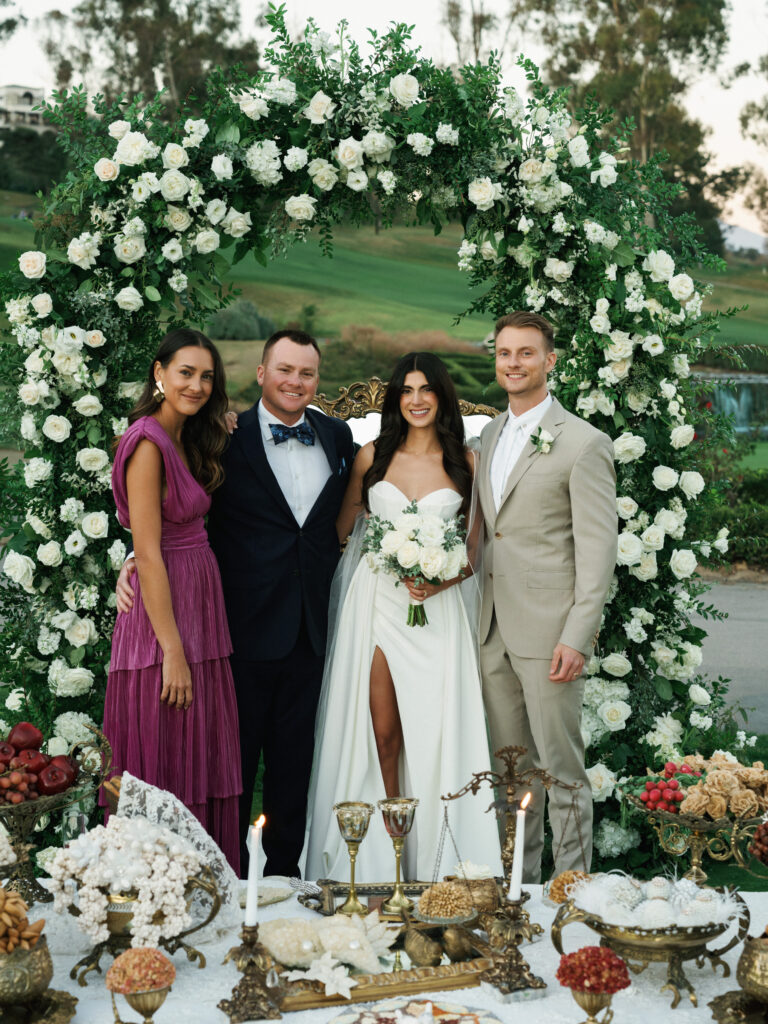
Keep the document to one or two pages, organize it by family grouping, and send it to the photographer at least ten days before the wedding. A useful family wedding photo list usually focuses on categories:
- immediate family;
- grandparents or older relatives;
- extended family members who play an important role;
- specific combinations that have personal meaning.
The photographer can then adjust the order, lighting, and positioning based on the actual conditions of the wedding day.
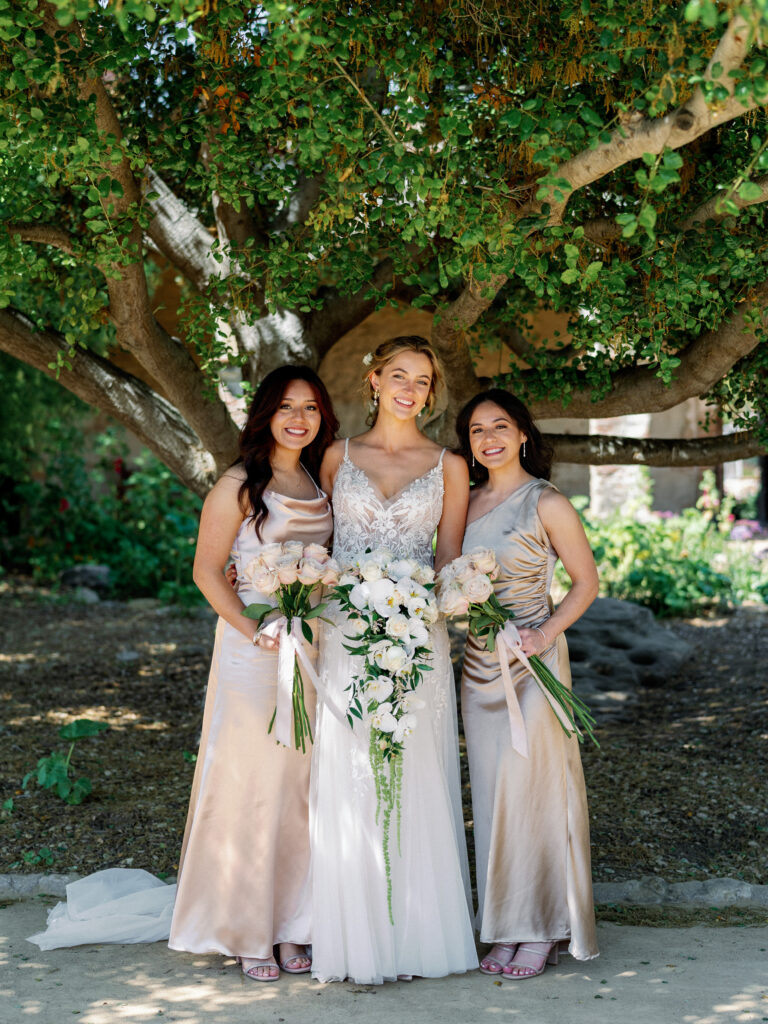
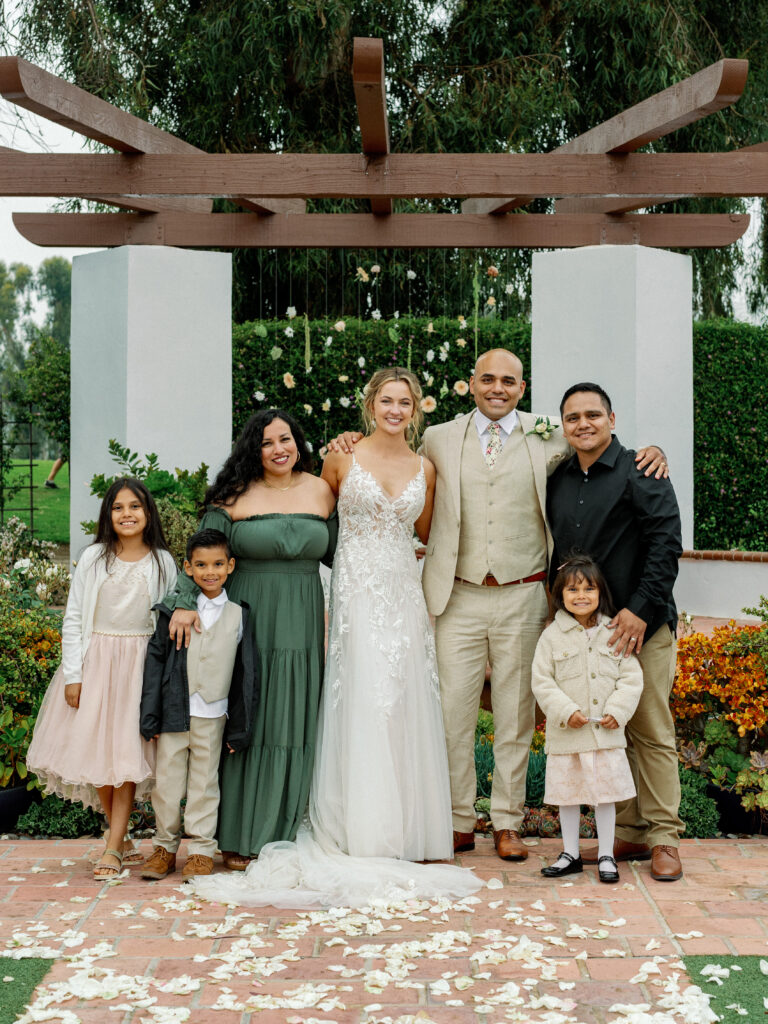
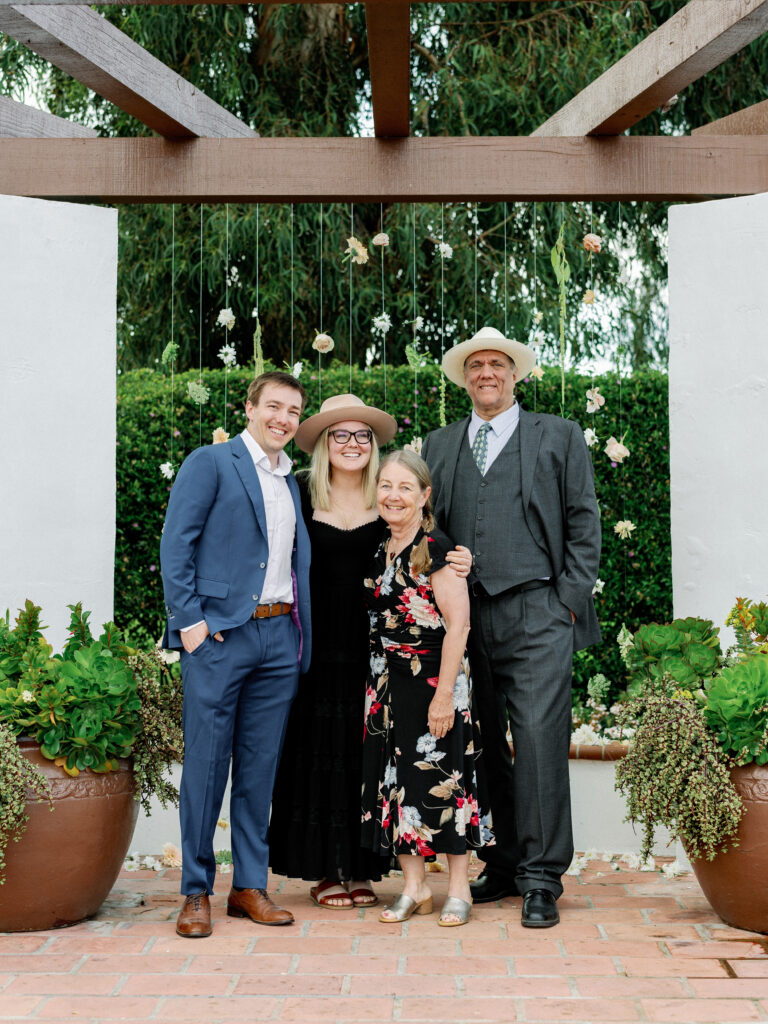
Immediate Family, Extended Family, and Sensitive Dynamics
Building the Immediate Family List
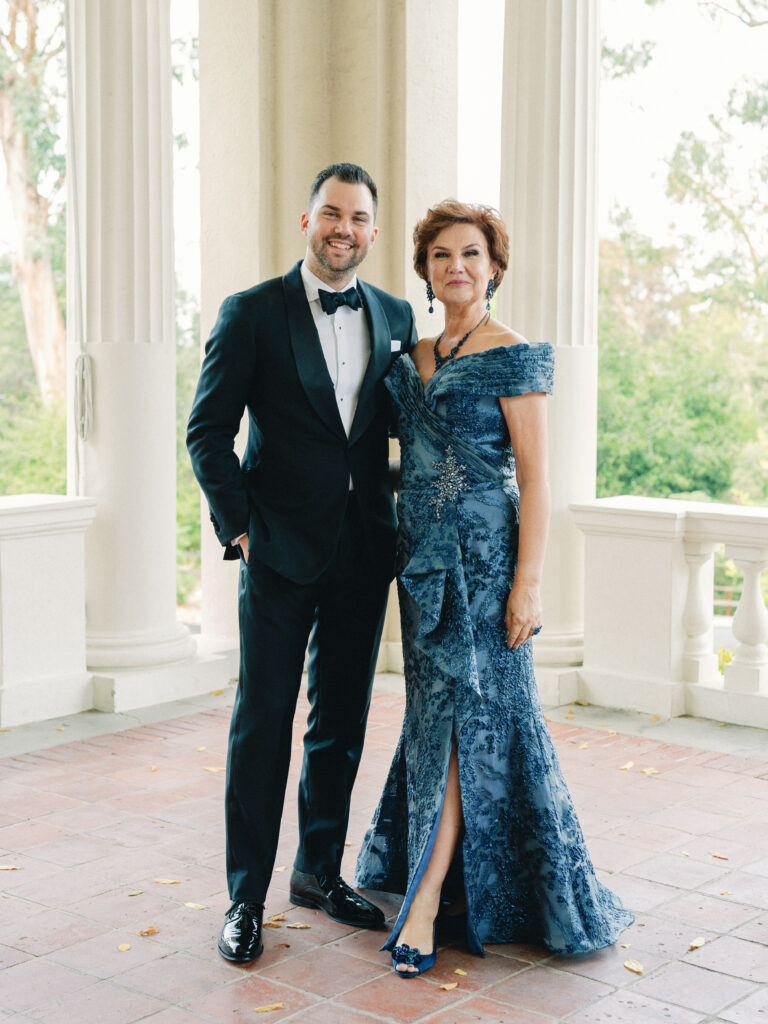
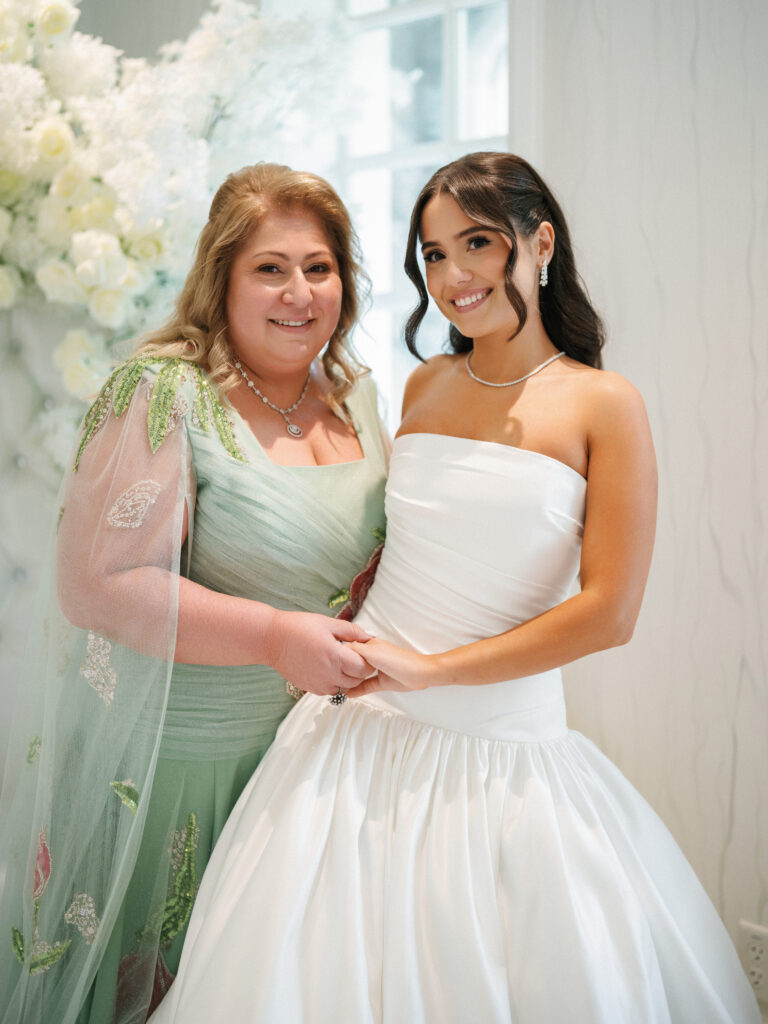
Start with the immediate family on each side and work outward. The most useful structure is to list groupings by category rather than by individual shot, which gives the photographer flexibility in sequencing while ensuring nothing is missed.
A typical structure might include:
- immediate family;
- grandparents or older relatives;
- extended family members who play an important role;
- specific combinations that have personal meaning.
Expert Note
Before finalizing the list, it is worth asking parents or another close family member whether there are photographs they especially hope to have. Couples often know their own priorities but may overlook a relationship that means a great deal to an older generation.
Extended Family
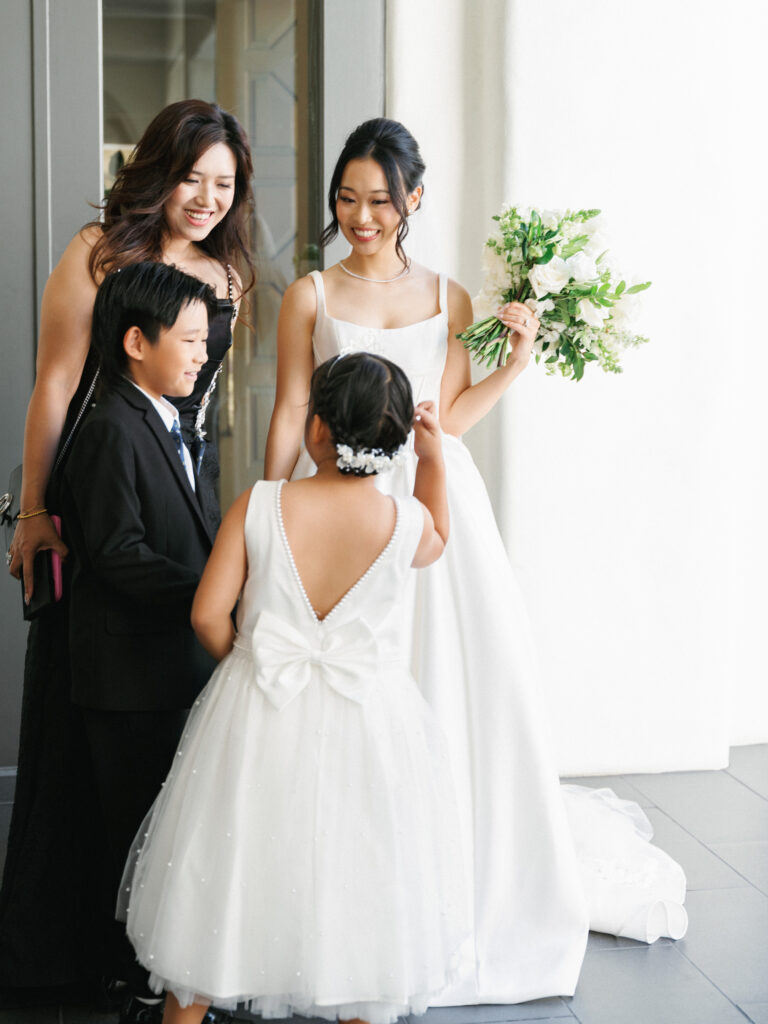
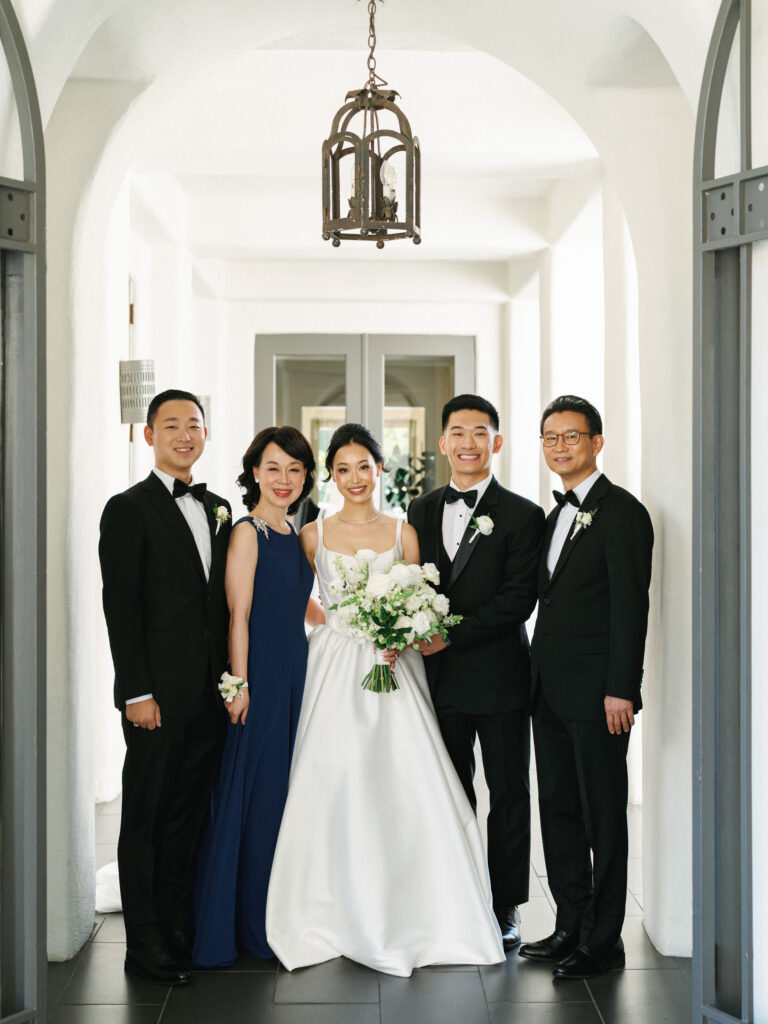
Extended family deserves a little more restraint.
For many weddings, four to six carefully chosen extended-family groupings are usually enough. If your families are large, remember that not every meaningful photograph has to happen during the formal portrait session. Cocktail hour often creates opportunities for your photographer to capture grandparents talking with grandchildren, cousins laughing together, or several generations naturally gathered in conversation without stopping the flow of the celebration.
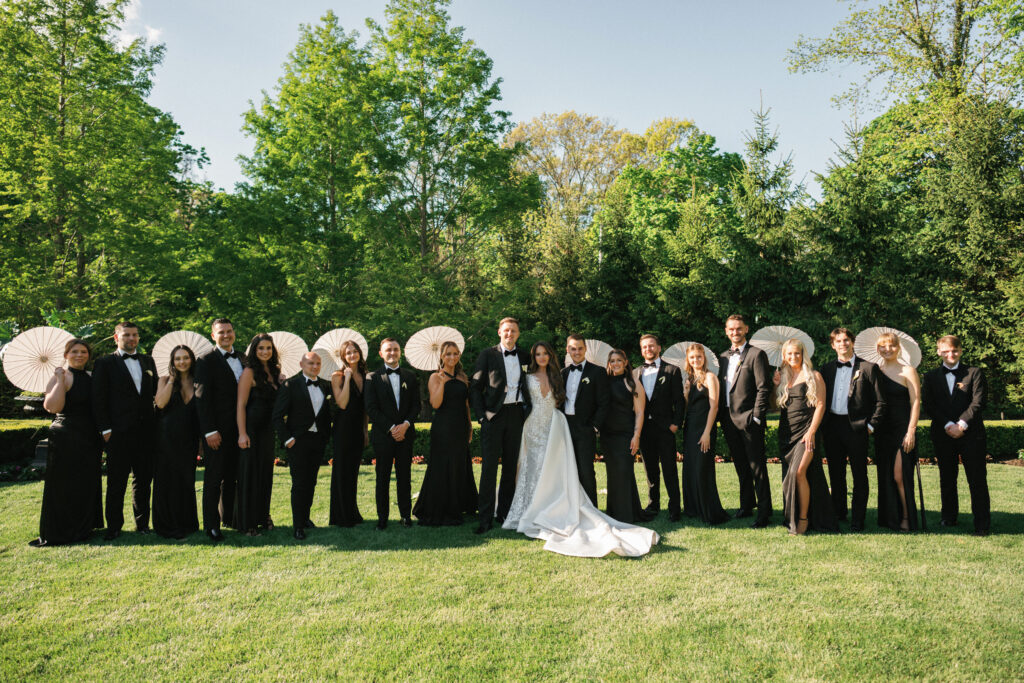
Sensitive Dynamics
Families are rarely as simple as a standard wedding photo list suggests. Divorced parents, remarriages, blended families, step-parents, or complicated relationships are common. They do not make family portraits difficult, but they do require a little advance information. A short note for your photographer is usually all that’s needed.
The photographer does not need the full story behind every family relationship. They only need enough information to approach the portrait session thoughtfully. These details are much easier to manage quietly before the wedding than in front of family members who are already gathered for photographs.
The same applies to family members who are uncomfortable in front of the camera. Some people prefer larger group portraits but do not enjoy individual attention. Others may not want formal photographs at all. Knowing this in advance allows the photographer to respect those preferences while still creating a complete gallery.
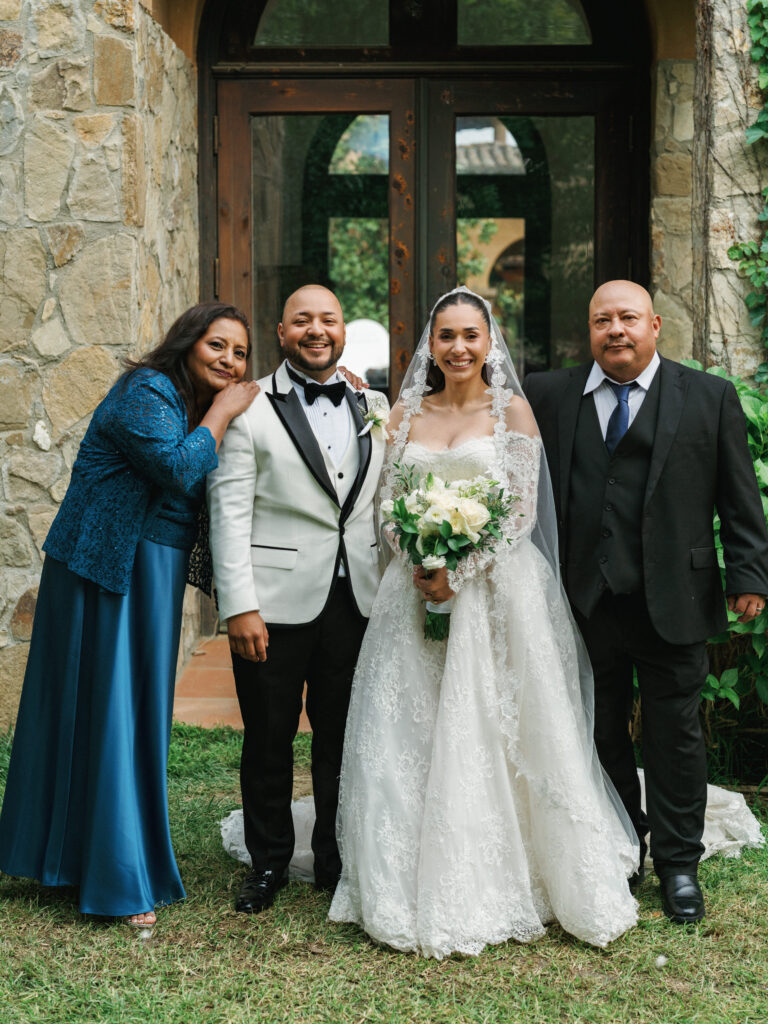
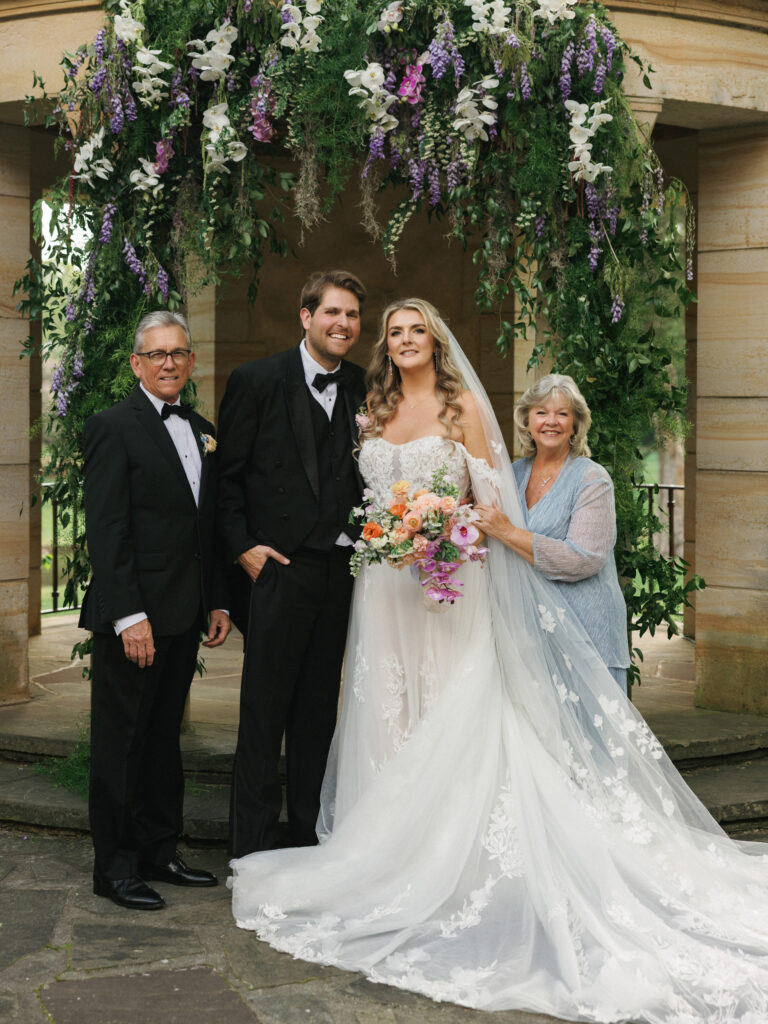
How Many Family Photo Combinations Are Realistic?
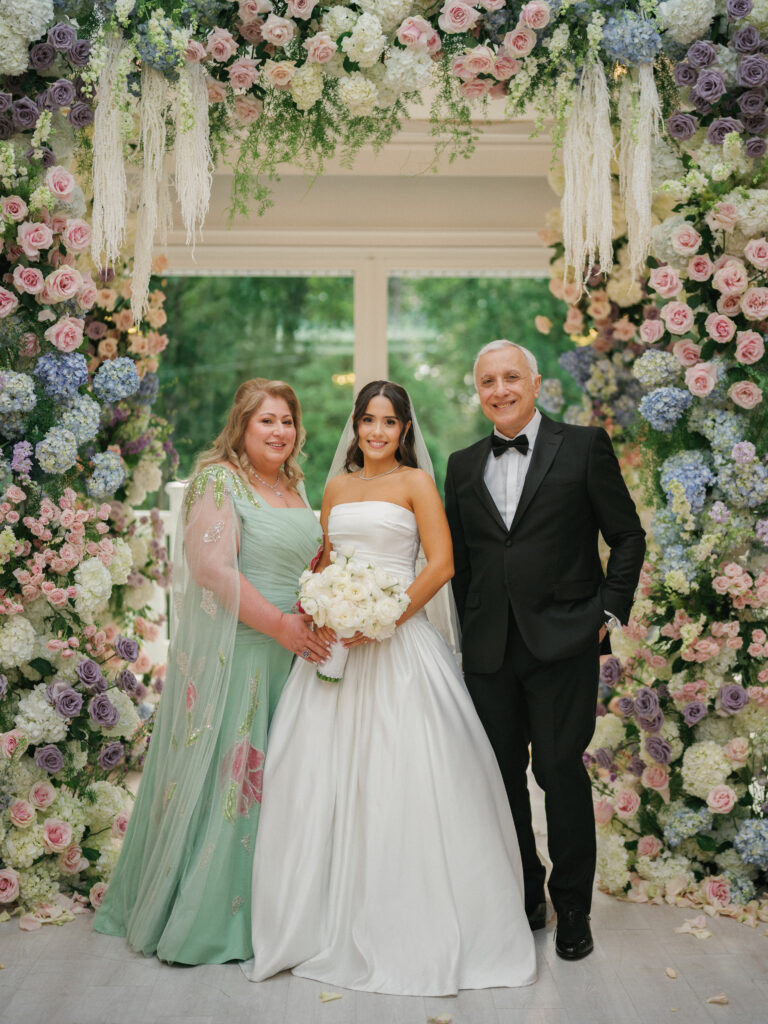
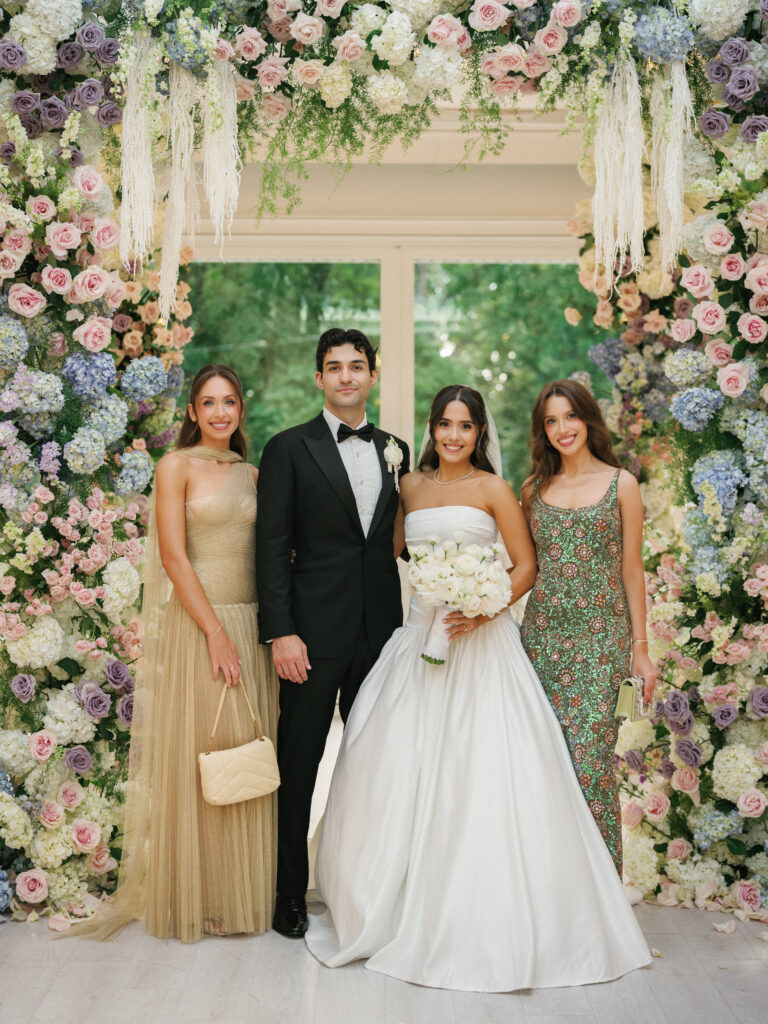
The number of family portraits you can complete depends less on the number of people in the photographs and more on how organized the process is. For most weddings, around 12 to 18 family combinations fit comfortably into a 30 to 40-minute portrait session.
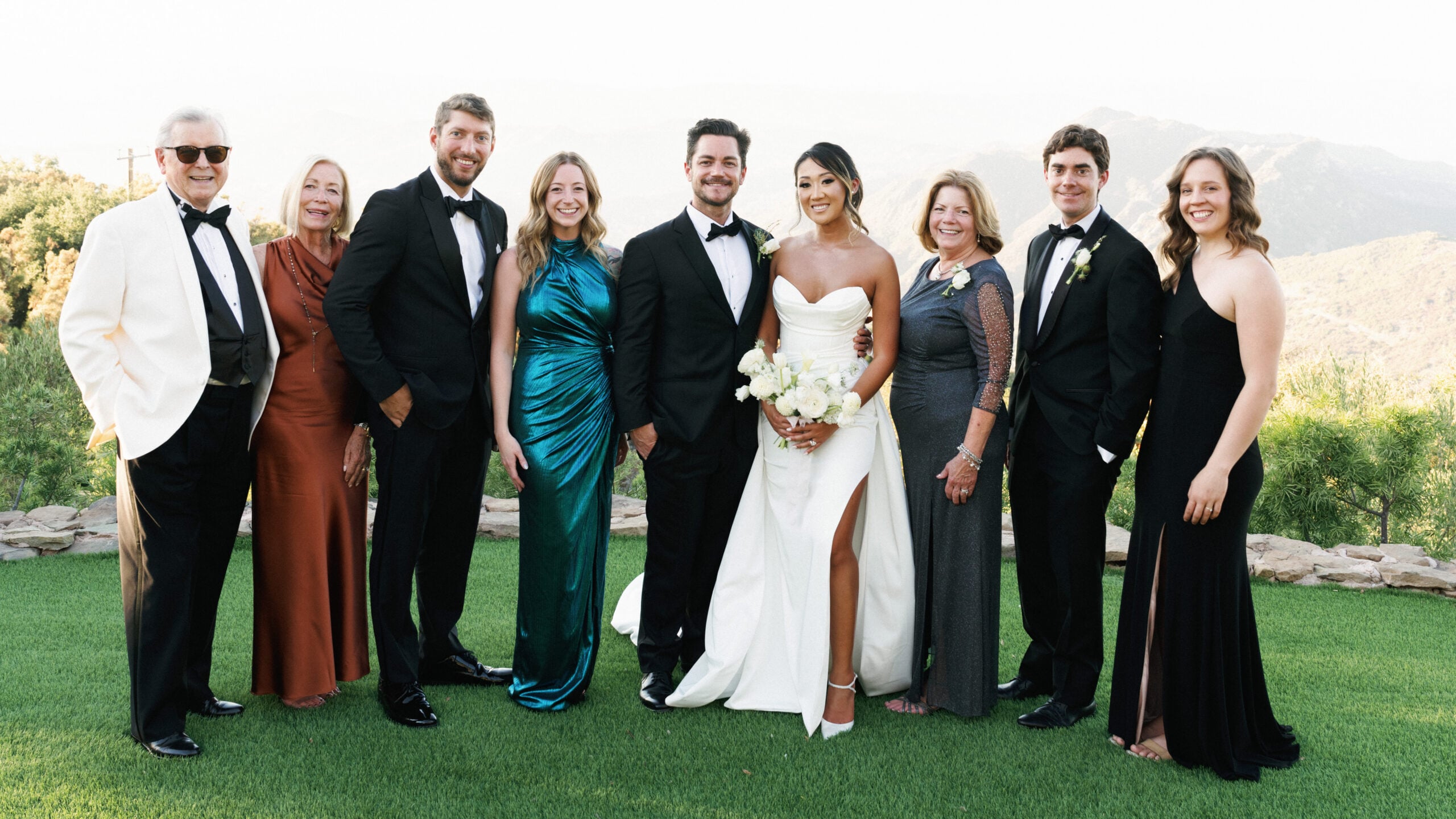
This assumes that: the list has been reviewed in advance; family members know when and where portraits will happen; family members know when and where portraits will happen; the next group is ready before the previous one leaves.
When those conditions are met, each grouping usually takes around two or three minutes from start to finish.
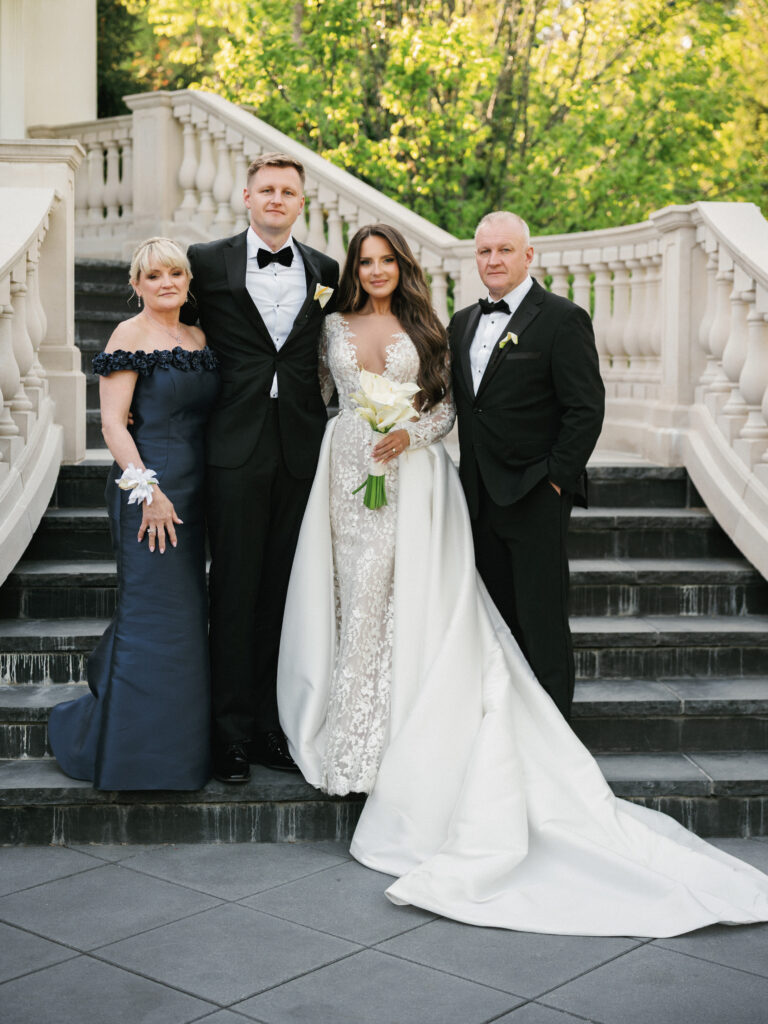
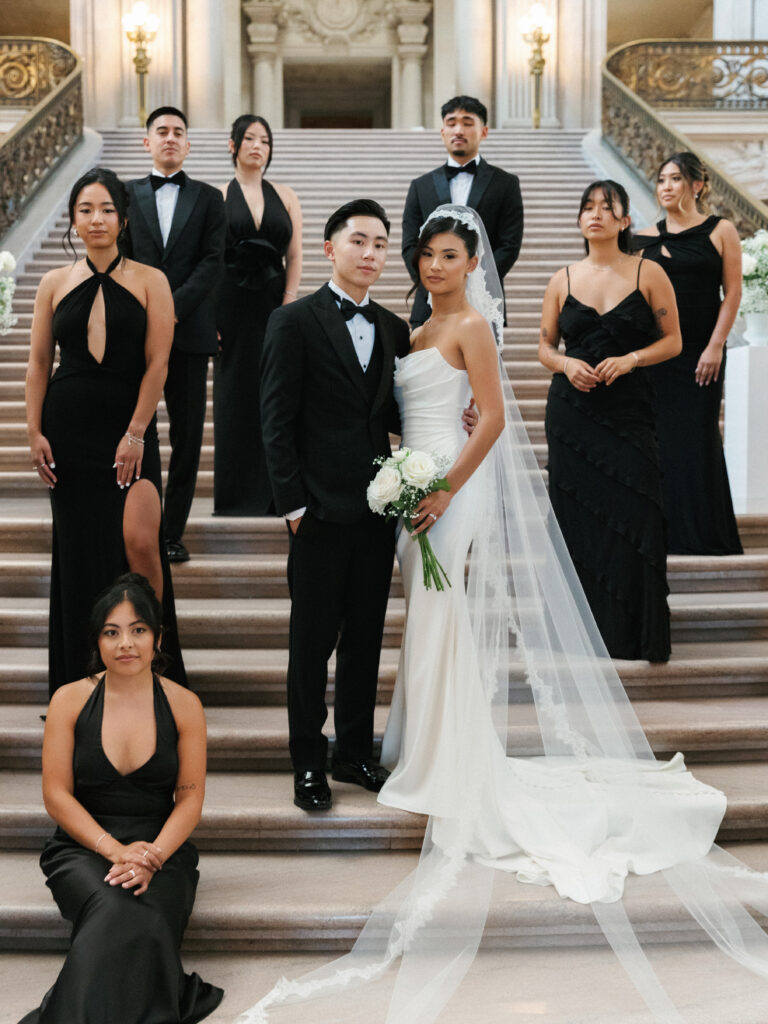
Pro Tip: Ask One Question for Every Group
A useful way to review your wedding shot list is to ask the same question every time you add another combination: If this photograph didn’t exist five years from now, would we regret it? If the answer is yes, keep it. If the answer is “It would be nice,” consider whether it belongs during the formal portrait session or whether it could happen naturally later in the day.
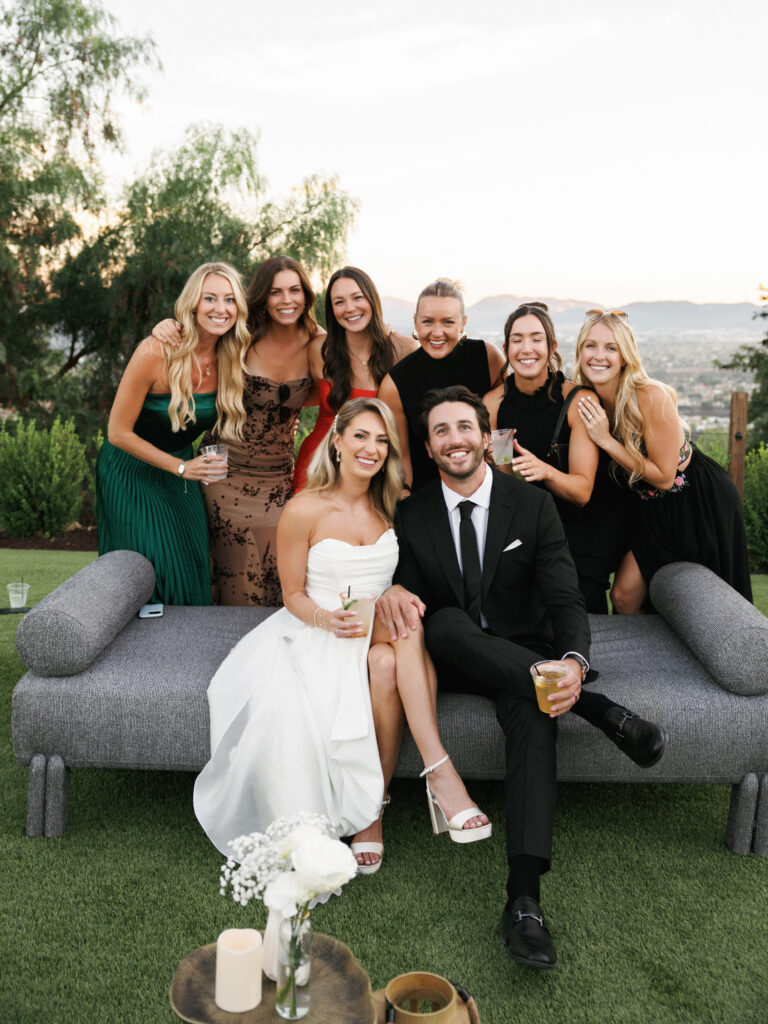
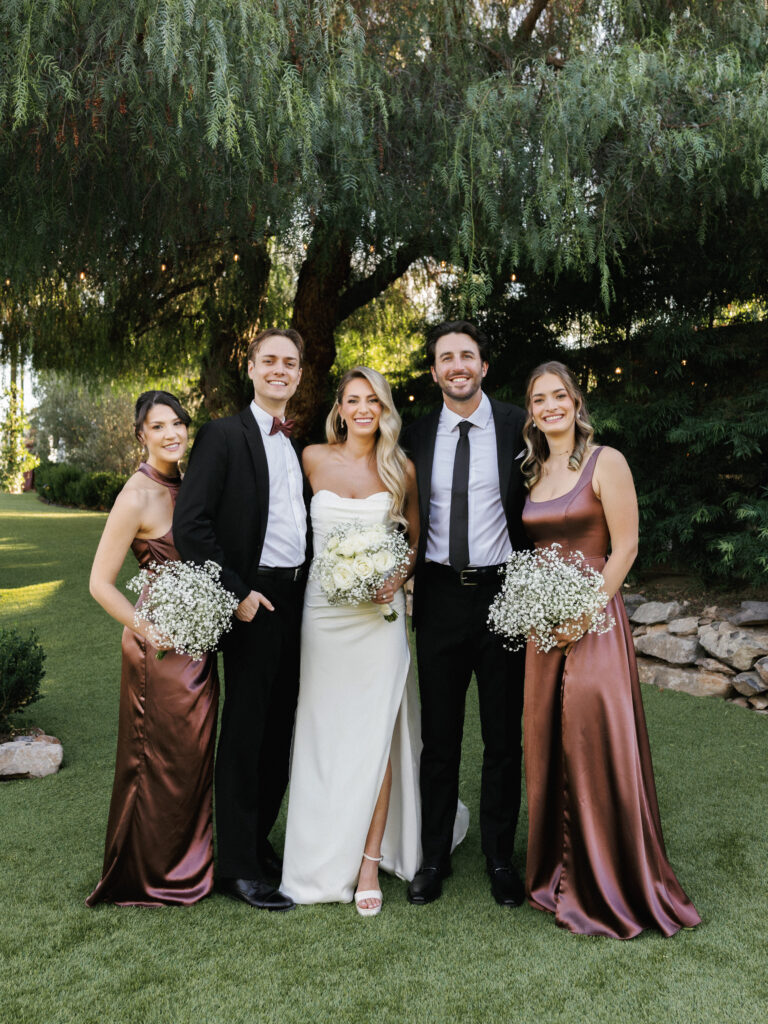
How to Assign a Family Helper
A family helper is a useful addition to any family portrait session. Ideally it is someone who knows most of the family members by face and name, who is responsible for assembling each grouping before the photographer calls for it. Often, this is a sibling, close family friend, member of the wedding party, or planner. They do not need photography experience. They need to recognize relatives, know the order of the list, and feel comfortable stepping away from conversations to gather the next group.
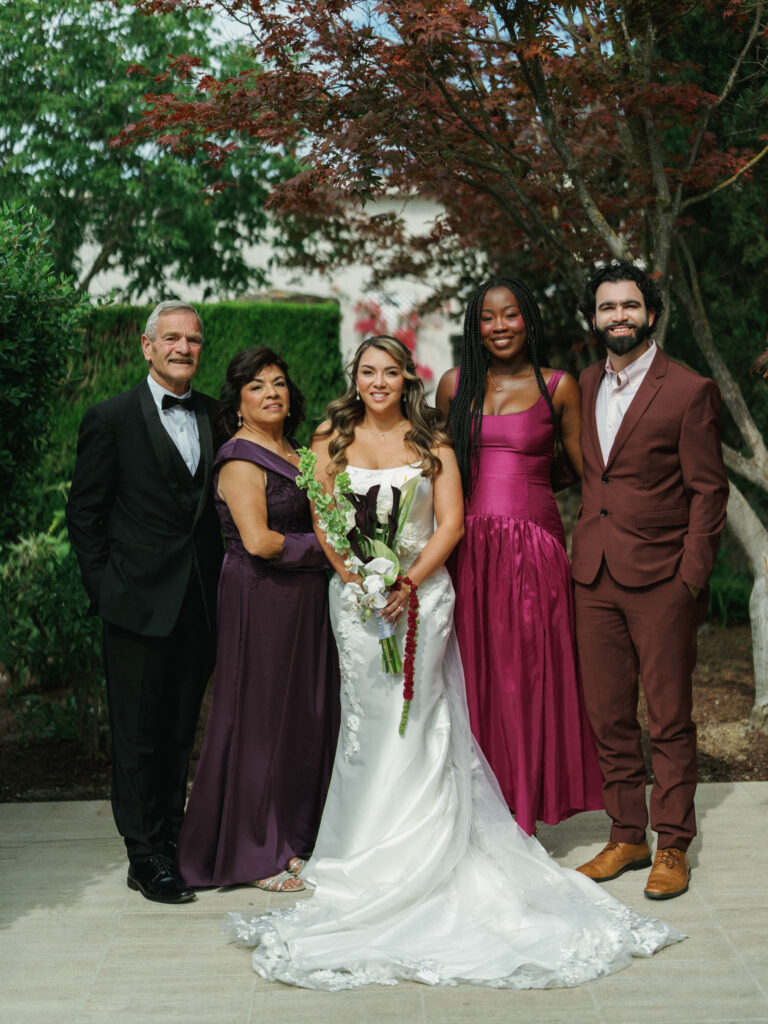
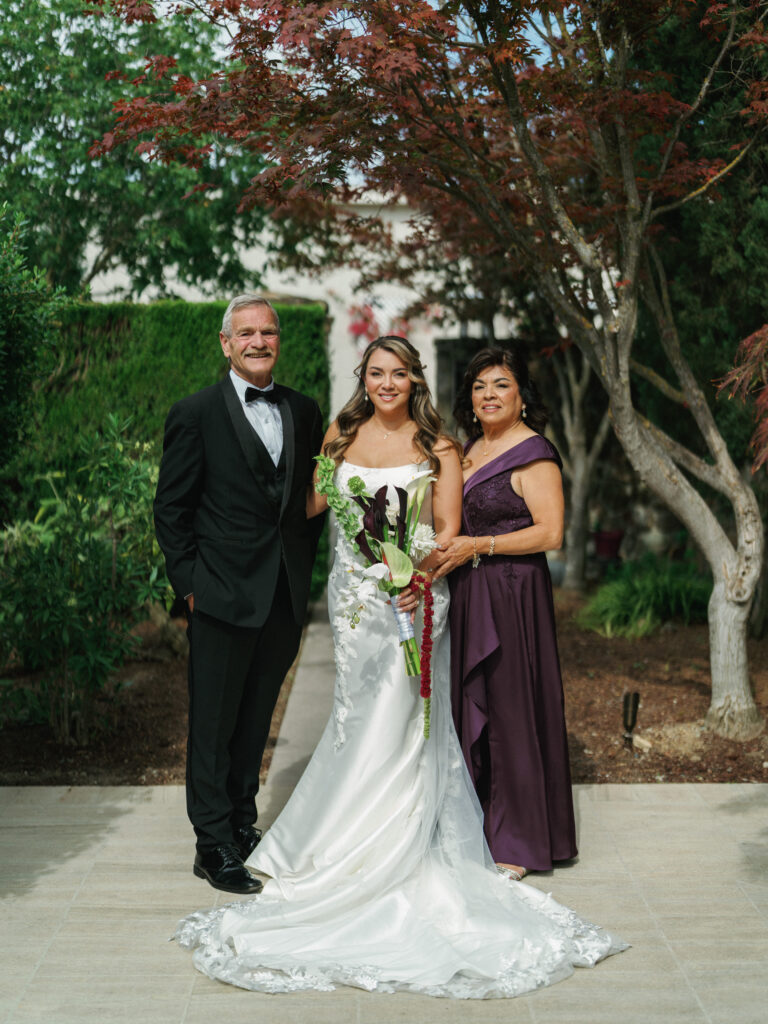
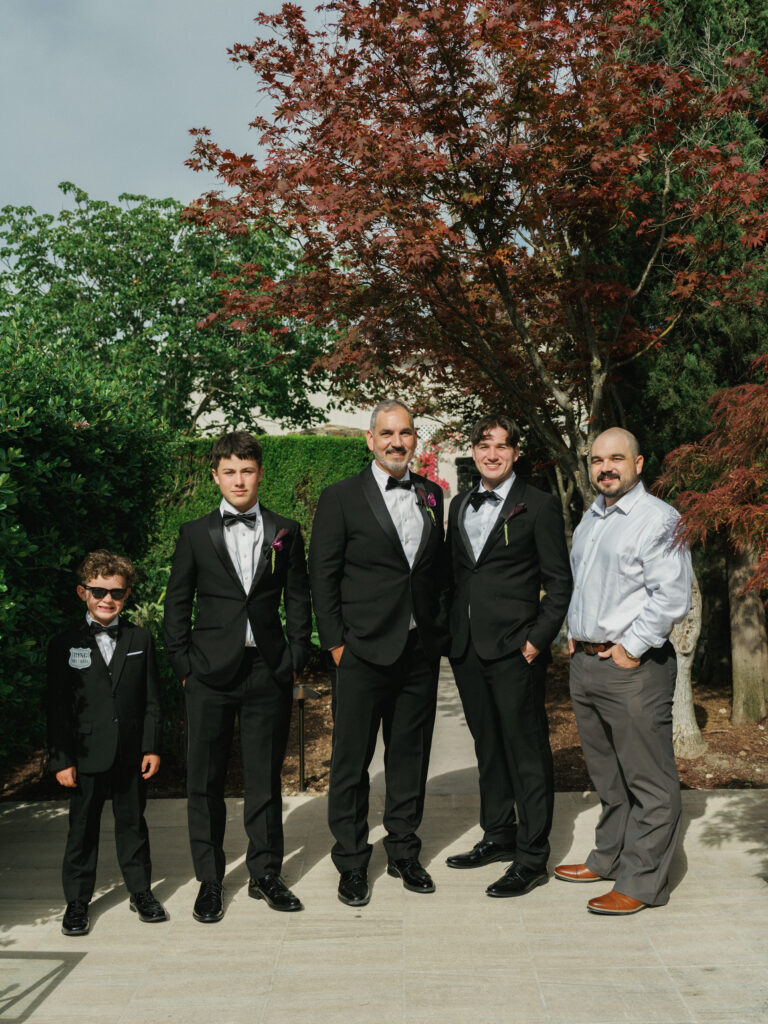
While the photographer is making one frame, the helper can bring the next people close to the portrait area. For that reason, send the final family wedding photo list to your helper before the wedding day, along with information about when portraits are expected to begin, where they will take place, and which relatives may need extra assistance.
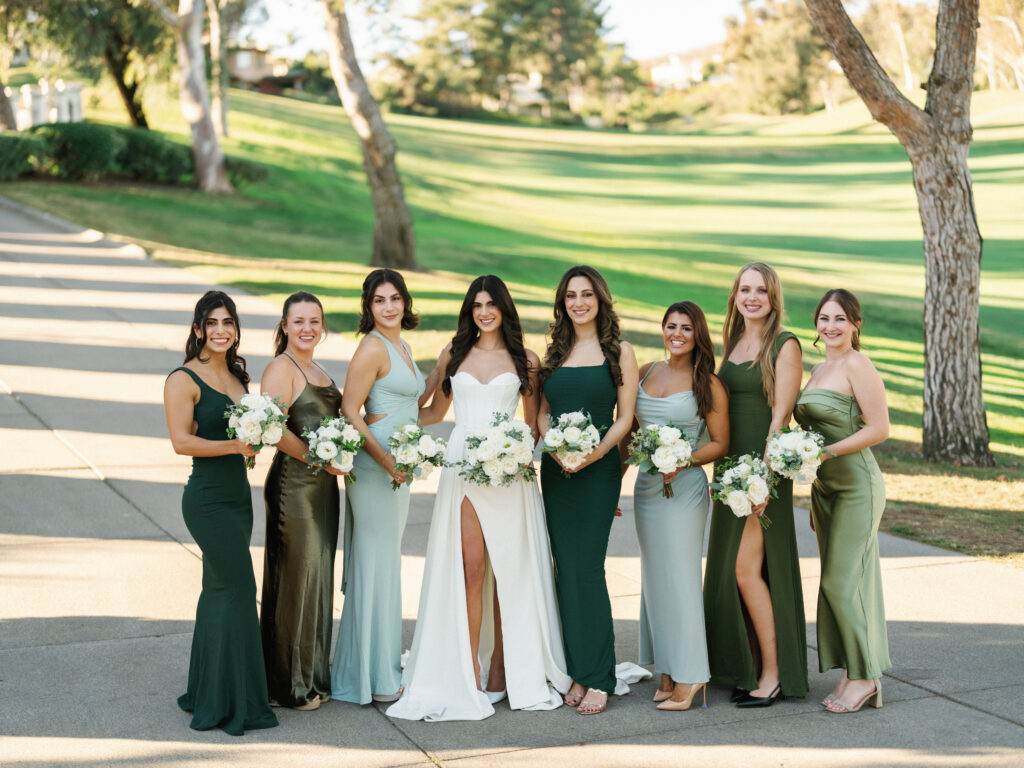
How to Leave Room for Real Moments
Formal family portraits need structure because people are being gathered for a purpose. The rest of the day calls for a different kind of attention. A parent adjusting a jacket before the ceremony, a grandmother watching the processional, or siblings laughing while they wait for dinner do not appear on a list and emerge from what the family is already doing.
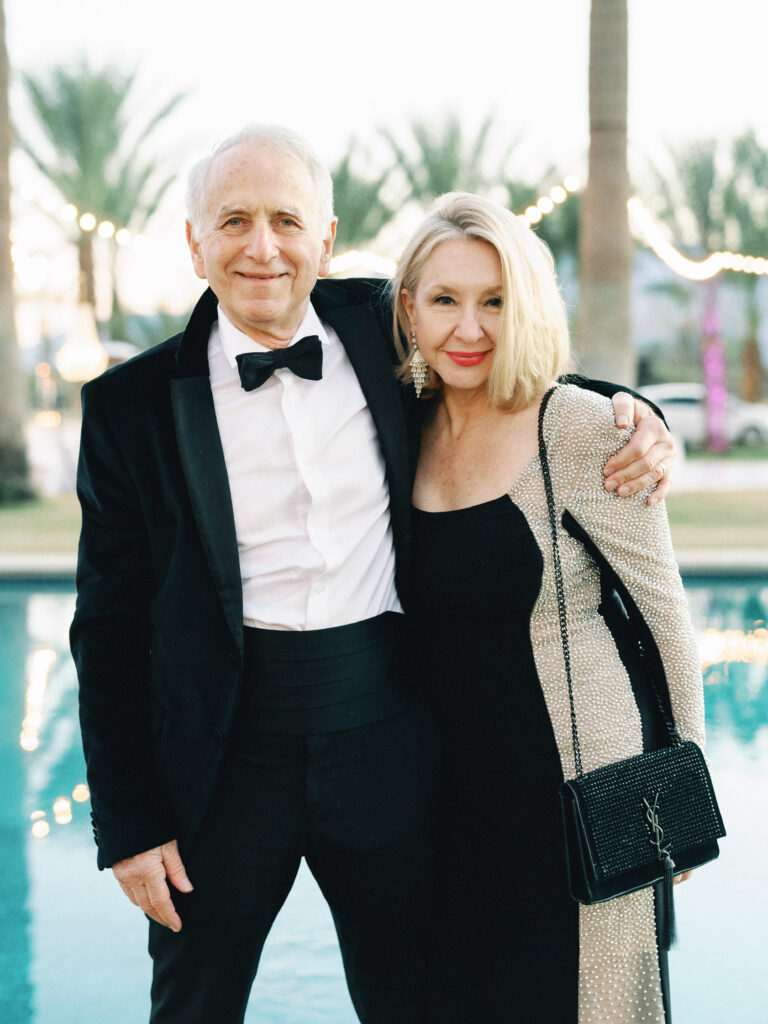
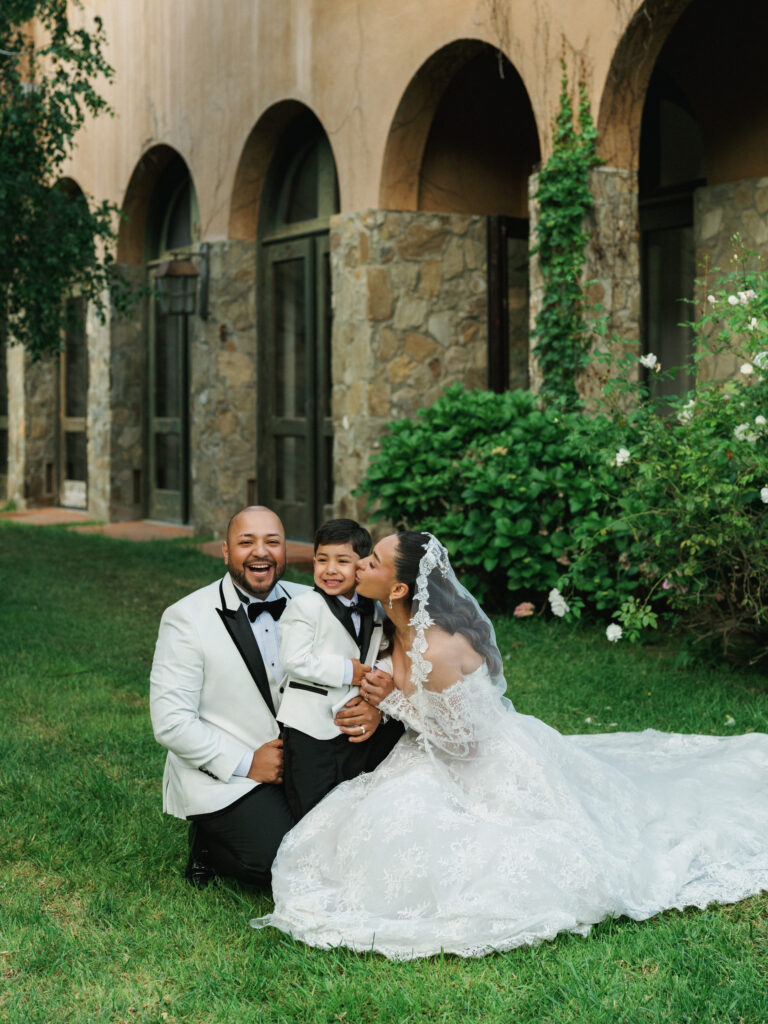
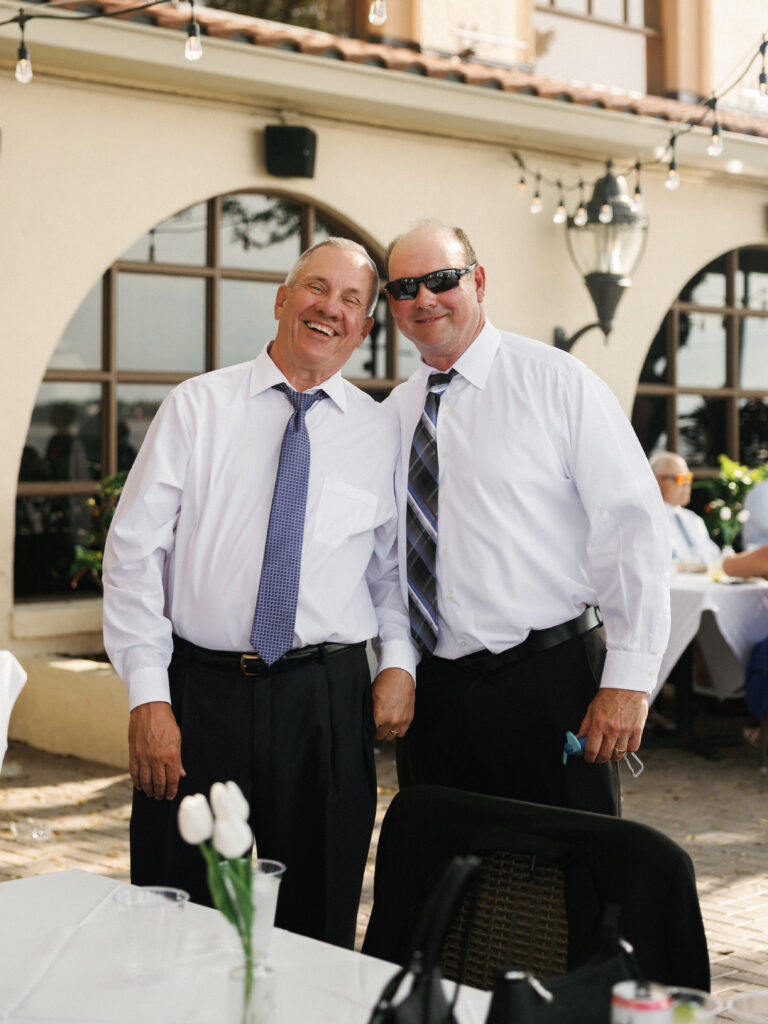
A focused family photo list protects time for that unplanned material. When the portrait block is concise, the photographer can move back through the celebration without mentally comparing each scene to a series of requests. The couple can return to their guests after the planned groupings are complete.
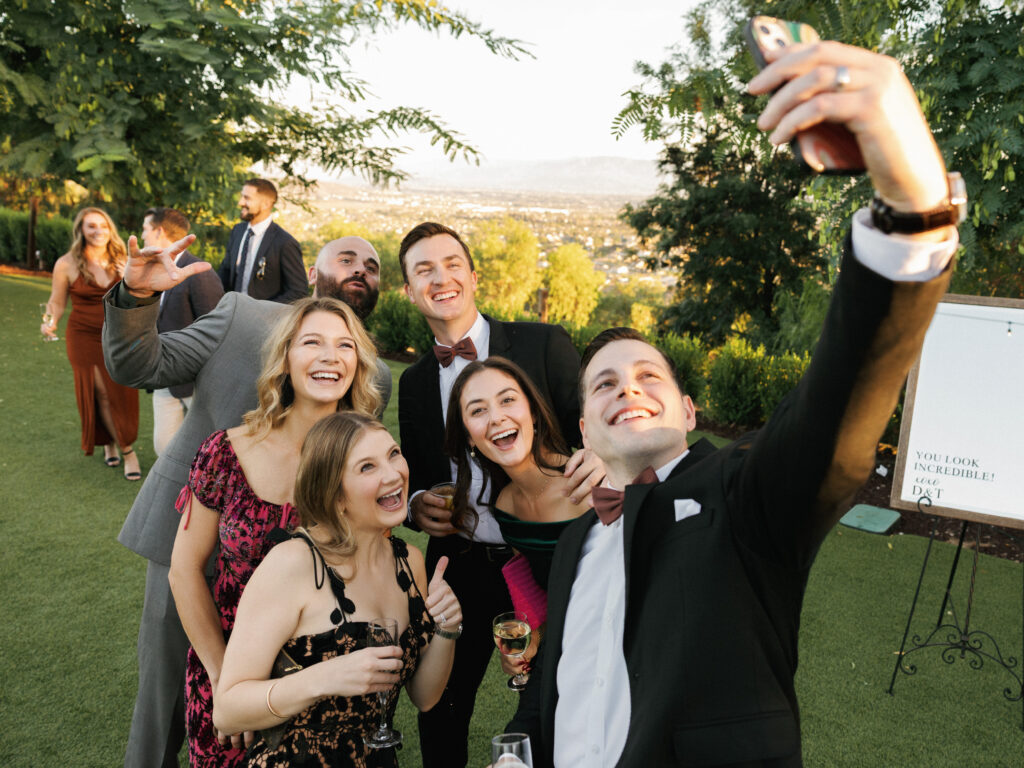
If your timeline allows, leave a little breathing room around the portrait session. A short gap between family portraits and cocktail hour can hold an unexpected conversation with grandparents. The walk back from portraits may offer a smaller, less arranged moment than a dedicated setup. After the formal sequence, set the list aside. The photographer can stay with the gestures, conversations, and changes of pace around the celebration.
See Real Weddings in Our Gallery
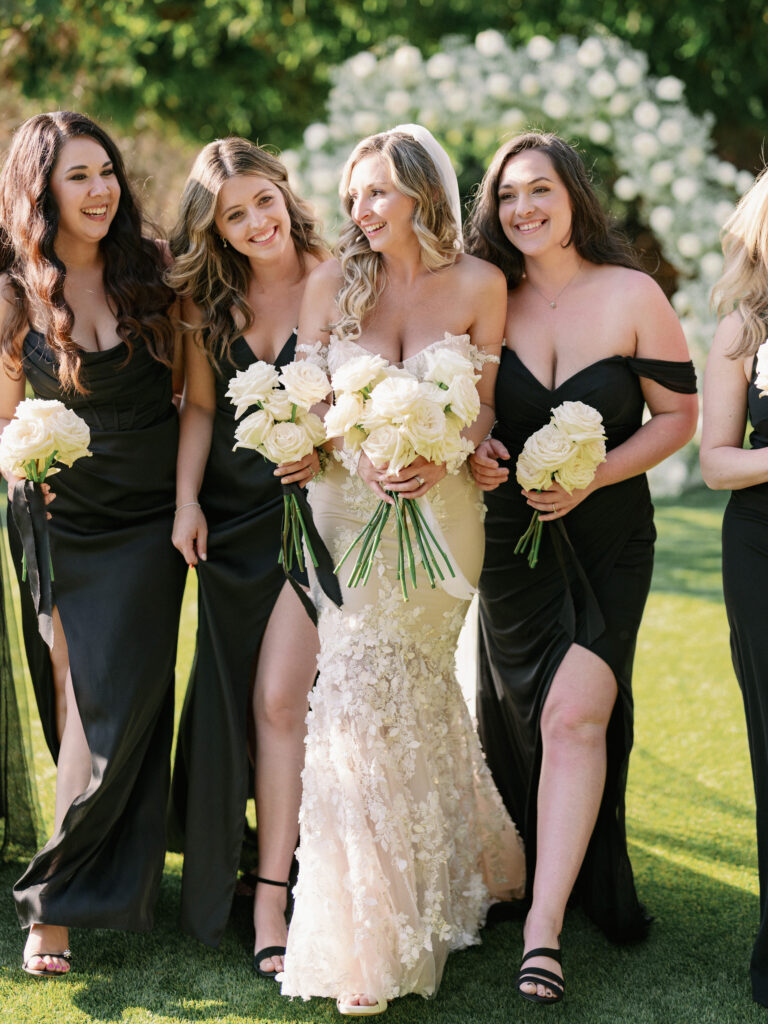
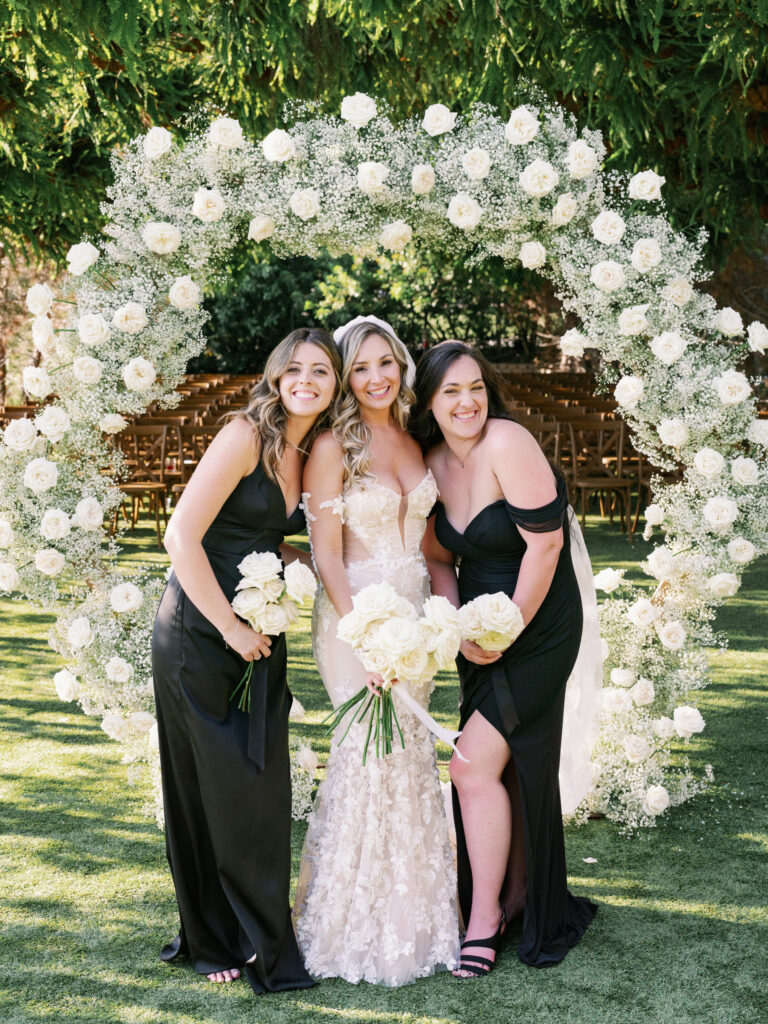
Every wedding is different. Explore how we photograph and film real celebrations across a variety of venues, locations, and wedding styles.
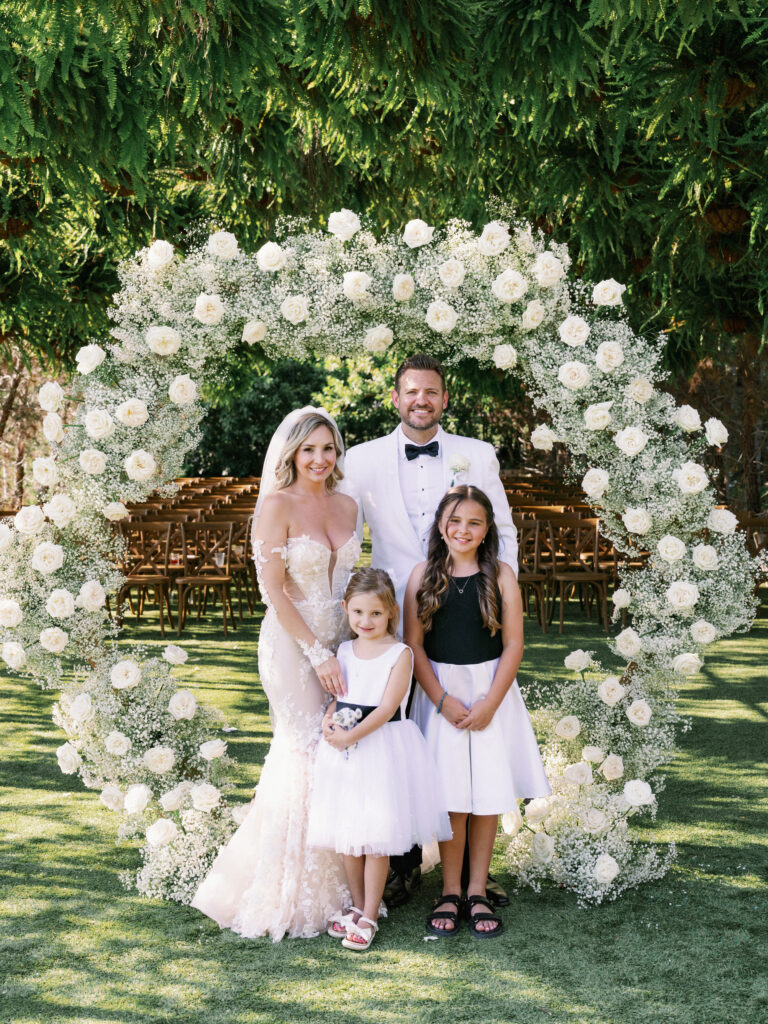
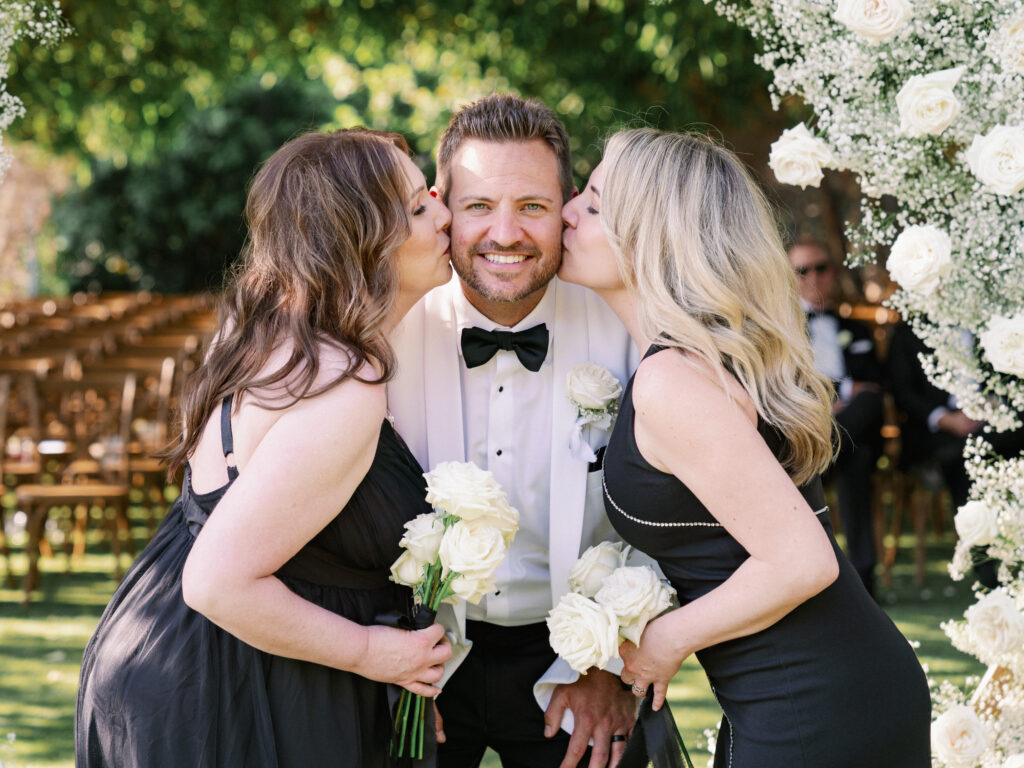
FAQ
How many family photo combinations should we plan for?
Twelve to eighteen groupings completed within a thirty-to-forty-minute window is a practical and realistic target for most weddings. Beyond that range, the session either runs into the couple’s portrait time or compresses each grouping. If the family is large and many groupings genuinely matter, consider scheduling a separate extended family block during cocktail hour rather than adding to the structured session.
When in the day should family portraits happen?
Immediately after the ceremony is the most reliable time, while family members are still gathered in one place and before guests have dispersed. Later in the day, reassembling extended family from cocktail hour or the reception requires time and coordination that a compressed timeline may not have. The one exception is weddings where the ceremony venue is separate from the reception venue and the family portrait session happens at the reception location.
Should we send the photo list to anyone besides the photographer?
Yes. Send it to the family helper, your wedding coordinator or planner if you have one, and any family member who is helping to organize the portrait session. A list that only the photographer has seen means the photographer is doing assembly work that someone else could be doing, which slows the session.
What if a family member does not want to be photographed?
A brief note in the list alongside that person’s name is helpful. Some people prefer not to be the center of attention in formal portraits but are comfortable in group photographs. Others prefer not to appear in photographs at all. Knowing this in advance allows the photographer to navigate the session without putting anyone in an uncomfortable position, and without the couple having to manage it on the day.
How can we include a large extended family without losing the whole day to portraits?
Use the formal session for immediate family, grandparents, and the extended-family groupings that need everyone gathered. Keep the remaining list selective. Other relatives may be photographed as they gather naturally during cocktail hour or the reception, when the camera can follow the family as it gathers.
Planning Your Wedding Photography?
If you’re building your family wedding photo list and want help creating a portrait plan that fits naturally into your day, we’d be happy to help.
As you finalize the family photo plan, it can also help to share the ceremony moments that matter most with your video team. Our wedding ceremony audio guide explains what to confirm before the day.